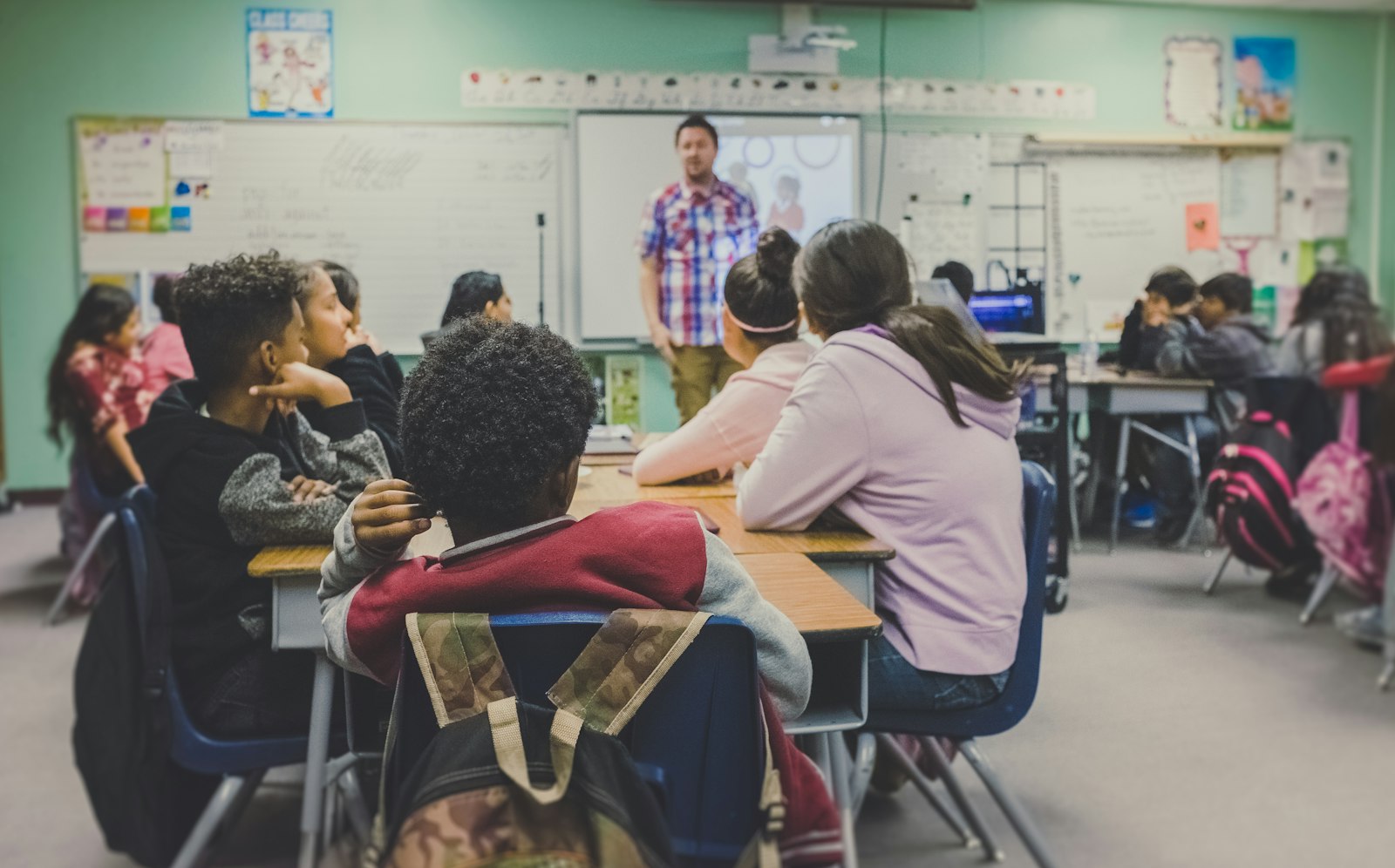
Education: Learning That Connects People, Places and Possibilities
A guide to discovering schools, honoring teachers, hearing student voices, evaluating scholarships and connecting alumni — because learning happens far beyond the classroom.

Education can change the direction of a life.
A dedicated teacher can awaken curiosity. A supportive school can give a child confidence. A vocational course can open a new career. A scholarship can make an opportunity possible. A lesson shared by an experienced community member can preserve knowledge that no textbook contains.
The Education section of SocialPulse® Blog is a place to share useful learning resources, document educational experiences and connect students, families, teachers, institutions and alumni across communities worldwide.
Education does not begin or end in a classroom. It is a lifelong process that takes place in homes, schools, workplaces, libraries, farms, workshops and communities.
Discover Educational Opportunities Near You
Finding the right school, course or training program can be difficult when information is scattered across many websites.
- Geographic education pages can help people discover:
- Preschools
- Primary and secondary schools
- Colleges and universities
- Vocational and trade schools
- Adult-education programs
- Language classes
- Tutoring services
- Libraries
- Online courses
- Professional certifications
- Special-education resources
- Arts and music programs
- Sports academies
- Community workshops
- Continuing-education opportunities
Listings should include verified contact information, location, programs, admission requirements, accessibility, languages offered and the date the information was last reviewed.
Official accreditation and licensing should be independently verified through the appropriate education authorities.
Choosing a School or Program
No single institution is right for every learner.
- Students and families may consider:
- Curriculum
- Teaching approach
- Class size
- Faculty qualifications
- Safety
- Student support
- Accessibility
- Transportation
- Tuition and fees
- Scholarships
- Extracurricular activities
- Technology
- Language of instruction
- Special-education services
- Graduation outcomes
- Distance from home
- School culture
Rankings and test scores may provide limited information, but they do not describe every aspect of a student's experience.
Visiting the institution, speaking with current students and reviewing official information can provide a more complete picture.
Recognize the Work of Teachers
Teachers influence generations, yet their efforts often receive little public recognition.
- Students, parents and alumni can share stories about teachers who:
- Made a subject understandable
- Encouraged a struggling student
- Recognized an undiscovered talent
- Created an innovative lesson
- Supported families
- Preserved language or culture
- Introduced technology
- Built an inclusive classroom
- Guided students toward careers
- Served the wider community
Teacher profiles should respect privacy and should not disclose personal information without permission.
Constructive discussion about education should focus on practices and outcomes rather than personal attacks.
Student Voices Matter
Students experience education directly. Their perspectives can reveal what works, what needs improvement and what support young people need.
- Students may write about:
- Study methods
- School transitions
- Learning difficulties
- Academic pressure
- Friendship
- Bullying prevention
- Extracurricular activities
- Student leadership
- Career decisions
- Online learning
- College applications
- Vocational training
- Community service
- Mental well-being
- Accessibility
Children and young people require strong privacy protections. Identifying information and photographs should be published only with appropriate authorization.
Scholarships and Financial Aid
The cost of education can prevent capable students from pursuing opportunities.
- Education pages can help organize information about:
- Scholarships
- Grants
- Fellowships
- Tuition assistance
- Work-study programs
- Employer-sponsored education
- Government aid
- Community awards
- Research funding
- Travel grants
- Emergency student support
- Every listing should clearly state:
- Eligibility
- Award amount
- Deadline
- Required documents
- Geographic restrictions
- Official application link
- Sponsoring organization
- Whether repayment is required
- Date the information was verified
Students should never pay someone merely to access a legitimate scholarship application. Requests for unnecessary financial or identification information may indicate fraud.
Vocational and Skills Education
Academic degrees are only one path to meaningful work.
- Vocational education may prepare learners for careers in:
- Construction
- Electrical work
- Plumbing
- Automotive service
- Healthcare
- Culinary arts
- Agriculture
- Manufacturing
- Information technology
- Transportation
- Hospitality
- Beauty and wellness
- Renewable energy
- Design
- Skilled crafts
Practical training, apprenticeships and professional certifications can provide valuable opportunities at different stages of life.
Profiles should describe program length, total cost, practical training, licensing outcomes and employment claims accurately.
Education for Farmers and Rural Communities
Learning opportunities should reach beyond major cities.
- Rural education may include:
- Agricultural extension
- Crop management
- Soil health
- Water conservation
- Livestock care
- Equipment maintenance
- Cooperative management
- Financial literacy
- Digital skills
- Market access
- Climate resilience
- Food processing
- Entrepreneurship
Farmers and local practitioners possess knowledge that should be respected alongside formal research.
This content can connect with FarmersPulse and FoodPulse while remaining linked to the relevant geographic community.
Learning Across Generations
Education becomes richer when generations learn from one another.
- Older adults may share:
- Professional experience
- Local history
- Family traditions
- Languages
- Crafts
- Farming methods
- Community knowledge
- Life lessons
- Younger people may help with:
- Technology
- Digital communication
- Research
- Photography
- Online services
- New creative tools
Intergenerational programs reduce isolation, preserve knowledge and build mutual respect.
Libraries as Community Learning Centers
- Libraries provide far more than books. They may offer:
- Internet access
- Research support
- Language classes
- Children's programs
- Job-search assistance
- Technology training
- Local-history collections
- Meeting spaces
- Accessible materials
- Community events
- Digital lending
- Homework help
Local education pages should help residents discover library services and support programs.
Small libraries and mobile-library services deserve visibility, particularly in rural and underserved areas.
Special Education and Inclusive Learning
Every learner should have an opportunity to participate meaningfully in education.
- Inclusive education information may cover:
- Learning disabilities
- Physical disabilities
- Visual and hearing disabilities
- Developmental differences
- Assistive technology
- Individualized support
- Accessible transportation
- Classroom accommodations
- Therapy services
- Parent advocacy
- Transition planning
- Inclusive recreation
Language should emphasize ability, dignity and participation.
Families should consult qualified professionals and official education authorities when making decisions about individualized services.
Online and Hybrid Learning
Digital learning has expanded access to education but has also created new challenges.
- Students should evaluate:
- Instructor qualifications
- Accreditation
- Course structure
- Technology requirements
- Total cost
- Student support
- Assessment methods
- Accessibility
- Privacy
- Completion rates
- Transferability of credit
- Cancellation and refund policies
Online courses should not make misleading employment, income or certification claims.
Communities can also identify free and low-cost learning opportunities for people who cannot attend traditional programs.
Artificial Intelligence in Education
AI can help learners organize ideas, practice skills, translate materials and receive explanations. It can also produce inaccurate information or encourage students to submit work they did not create.
- Responsible educational uses may include:
- Explaining difficult concepts
- Creating study plans
- Practicing questions
- Translation
- Accessibility support
- Brainstorming
- Reviewing grammar
- Career exploration
- Organizing research
- Providing feedback
Students should verify AI-generated information and follow their institution's academic-integrity rules.
AI should support learning—not replace thinking, reading, experimentation or meaningful interaction with teachers.
Preserve Institutional History
Schools and colleges are important parts of community history.
- An institution page may include:
- Founding date
- Founder
- Campus history
- Courses and departments
- Teachers and administrators
- Alumni
- Historic photographs
- Student organizations
- Sports
- Traditions
- Awards
- Community service
- Important changes
- Reunion information
Students, teachers and alumni can help identify missing institutions and correct incomplete records.
Historical claims should be supported by documents or clearly identified personal recollections.
Connect Education With Alumni
Learning continues after graduation, and alumni can remain valuable members of their educational communities.
- Through AlumniPulse, former students may:
- Reconnect with classmates
- Find teachers
- Build class and batch groups
- Organize reunions
- Mentor students
- Share career guidance
- Offer internships
- Support scholarships
- Preserve school memories
- Create memorials for deceased classmates
- Document their education timelines
A strong alumni network can help institutions preserve history while creating new opportunities for current students.
Career and Employment Preparation
Education should help learners understand the many paths available to them.
- Useful career content may include:
- Career exploration
- Resume preparation
- Interview practice
- Internships
- Apprenticeships
- Professional networking
- Workplace expectations
- Entrepreneurship
- Continuing education
- Career transitions
- Remote work
- Licensing and certification
Writers should avoid guaranteeing employment or income.
Career decisions depend on personal interests, abilities, location, economic conditions and available opportunities.
Learning From Failure
Education is not a perfectly straight path.
- Students may experience:
- Poor grades
- Rejected applications
- Financial difficulties
- Interrupted education
- Language barriers
- Family responsibilities
- Health challenges
- Changes in career goals
- Difficulty adapting to a new system
Stories about setbacks can be valuable when they are honest and avoid offering one solution as appropriate for everyone.
Returning to education later in life is an achievement—not a failure to have completed it earlier.
Protect Students From Fraud
- Students and families should be cautious about:
- Unrecognized institutions
- Fake degrees
- Guaranteed admission
- Guaranteed employment
- Pressure to pay immediately
- Hidden fees
- Scholarship scams
- Plagiarism services
- Requests for unnecessary personal information
- Misleading immigration claims
- False accreditation
- Unverified recruiters
Before paying, verify the institution and program through appropriate official sources.
Share Educational Information Responsibly
Education articles should distinguish personal experience from verified information.
- Before publishing:
- Check names and dates
- Link to official programs
- Verify deadlines
- Identify sponsored content
- Protect student privacy
- Obtain permission for photographs
- Avoid publishing grades or records
- Correct outdated information
- Disclose conflicts of interest
- Respect academic integrity
Reviews of institutions should be fair, specific and based on genuine experience.
Learning Belongs to Everyone
Education should not be limited by age, geography, income, disability or background.
A child learning to read, a farmer studying soil health, a worker changing careers, a senior learning technology and a university researcher all belong within the wider learning community.
SocialPulse® Blog can connect educational information with places, institutions, teachers, students and alumni around the world.
Share a lesson. Introduce a teacher. Explain a course. List a scholarship. Document an institution. Tell the story of what learning made possible in your life.
Knowledge grows when it is shared—and every community has something to teach.