Curiosity Knows No Borders: Nairobi's Next-Gen Learners
The smell of fresh solder and warm motherboards drifts through an open window on Ngong Road on a Tuesday afternoon, and twenty-year-old Wanjiru is already three commits deep into a GitHub repository she started at six that morning. She does
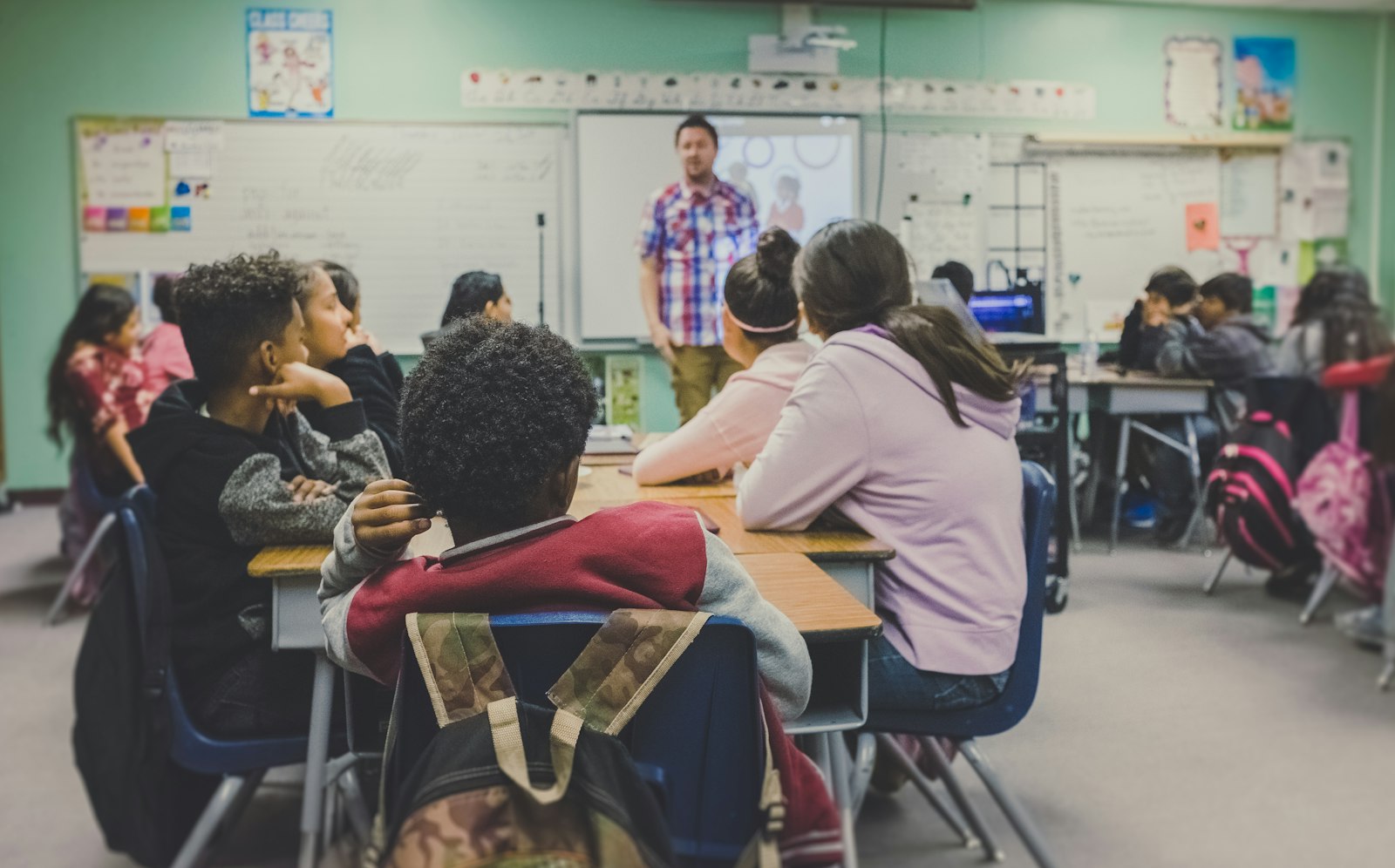
The smell of fresh solder and warm motherboards drifts through an open window on Ngong Road on a Tuesday afternoon, and twenty-year-old Wanjiru is already three commits deep into a GitHub repository she started at six that morning. She doesn't look up when someone asks if she needs lunch. She's in the middle of something, and in Nairobi right now, that feeling — the feeling of being in the middle of something — is everywhere.
The Garage That Became a Generation
iHub, tucked into Kilimani and now expanded across several partner spaces, has long been the symbolic heartbeat of Nairobi's tech scene. But what's changed in the last few years isn't the address — it's the age. The coders crowding the coding academies affiliated with iHub skew younger, hungrier, and increasingly from neighborhoods that weren't part of the original Silicon Savannah conversation. Students from Mathare, Dandora, and Embakasi are showing up with secondhand laptops and original ideas. Mentors speak of sessions that run two hours past schedule simply because no one wants to stop asking questions.
"The curiosity is the curriculum," one academy facilitator said during an open workshop last quarter. It isn't a motivational poster. It's an operational philosophy.
Money as a Learning Language: M-Pesa and Fintech Mentorship
Few things have shaped how young Nairobians think about technology more concretely than M-Pesa. For a generation that grew up watching their parents send school fees via a mobile phone, financial technology isn't abstract — it's Tuesday. That lived familiarity has translated into a surprisingly sophisticated mentorship culture around fintech. Programs hosted through Strathmore University's @iLabAfrica connect undergraduate students with practitioner mentors who have built payment infrastructure, credit-scoring algorithms, and micro-lending platforms across East Africa.
What strikes observers about these sessions is the directionality. Students don't just receive guidance — they push back, propose alternatives, and cite friction points they've personally encountered using mobile money in the informal economy. The mentorship flows both ways, and the mentors seem to prefer it that way.
Girls Who Build, Girls Who Stay
Retention, not recruitment, is the harder problem in girls-in-STEM programming, and several Nairobi-based initiatives are tackling it with refreshing specificity. AkiraChix, operating out of Karen, runs a year-long residential program that pairs technical training with professional identity work — helping young women name and claim their expertise rather than hedging it. Participants don't simply learn to code; they learn to present code, defend architectural decisions, and negotiate compensation.
One graduate described her experience not as gaining skills but as "finally having language for things I already knew I could do."
Kenya Methodist University, known locally as KEMU, has similarly invested in structured mentorship circles for female STEM undergraduates — peer-led, low-hierarchy spaces where questions don't need to be polished before they're asked.
Kibera's Reading Rooms and the Quiet Revolution
Not every breakthrough in Nairobi's education story involves a screen. Inside Kibera, the Muungano Community Library and several smaller reading rooms supported by county and NGO partnerships have become something more than book repositories. They are thinking spaces — places where children come after school not because they're told to, but because something there interests them. Librarians describe a consistent pattern: a child comes in for one thing, discovers three others, and starts asking about a fourth.
- Weekly science reading circles have drawn children as young as eight into conversations about ecology, the human body, and basic chemistry.
- Holiday "maker days" using donated materials have introduced rudimentary engineering through play.
- Community elders occasionally join sessions, adding Dholuo and Kikuyu-language context to topics being explored in English.
The multilingual dimension isn't incidental. It signals something important about how Nairobi's learners are moving through knowledge — not abandoning one world for another, but holding multiple registers at once.
Research as a First-Year Right
At Strathmore and KEMU, a quiet policy shift has begun to bear visible fruit: undergraduate students are being invited into active research projects earlier than the traditional third- or fourth-year model allowed. A first-year student working on a natural language processing project for Swahili doesn't feel like an exception anymore. It feels like a precedent.
Faculty describe the change not as lowering the bar, but as moving the starting line. When students encounter genuine, unresolved problems early, their relationship to learning transforms. They stop asking what's the answer and start asking what's the right question — and in Nairobi's classrooms and coding rooms, that shift is the whole point.
If you've learned alongside, taught within, or simply walked past one of these spaces in Nairobi, we'd love to hear what you noticed. Drop your experience in the comments — a memory, a question, a correction, a conversation you overheard. This story is still being written, and some of the best material tends to live in the replies.
Discussion
ChatsPulse · 0 threads