Weather: Understanding Today, Preserving the Past and Preparing for Tomorrow
Every community holds weather knowledge worth preserving — photographs, eyewitness accounts, family memories. A guide to the NaturePulse Weather Almanac and how to observe, prepare and remember safely.
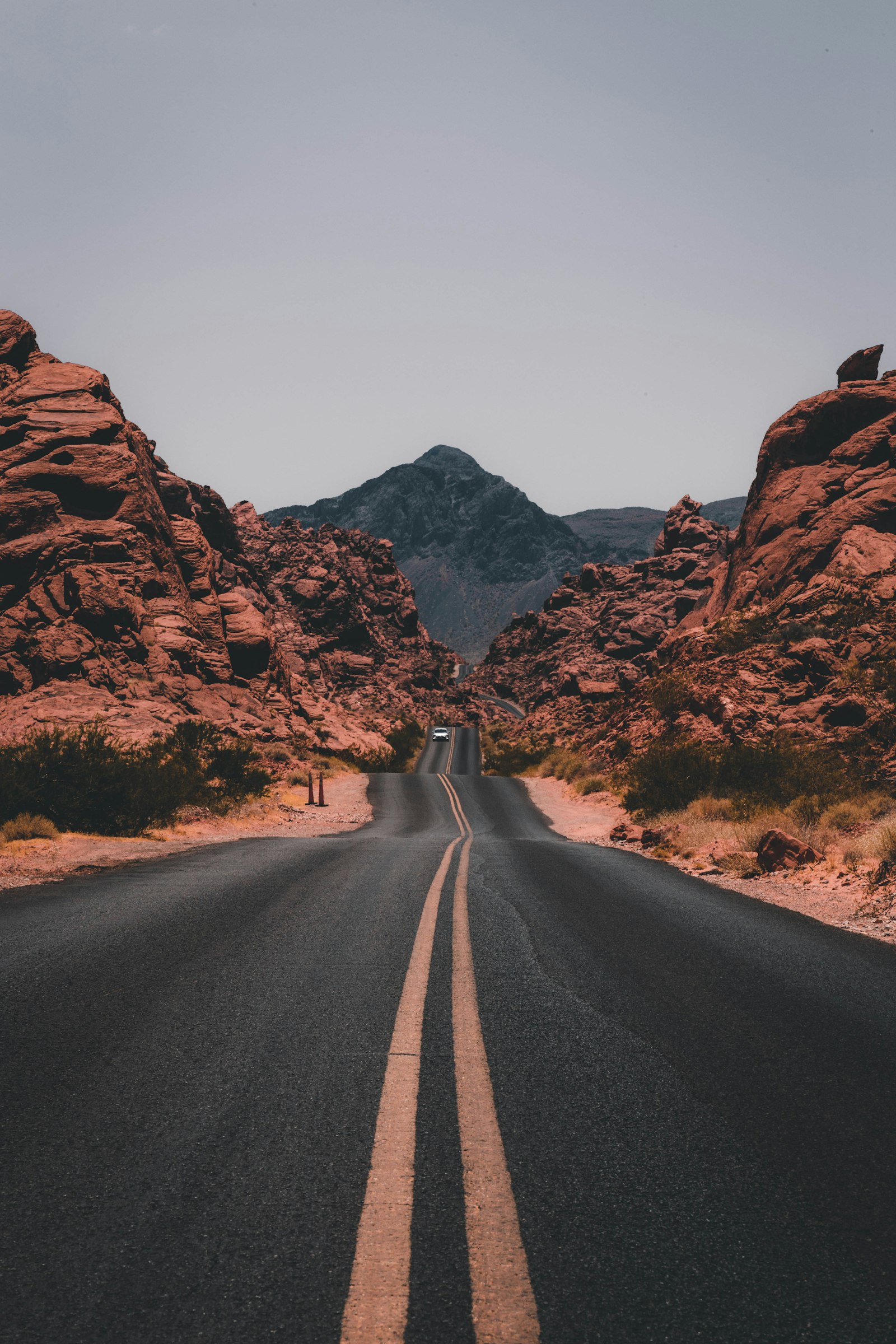
Weather is one of the few forces that touches every person, every day.
It influences what we wear, how we travel, what farmers plant, how much energy we use and whether outdoor events can proceed. It can bring a gentle afternoon rain, a brilliant rainbow or a life-threatening storm.
Official weather services provide essential forecasts, warnings and scientific measurements. Yet every community also holds another kind of weather knowledge: photographs, eyewitness accounts, family memories and observations of how particular events affected local people and places.
NaturePulse's planned Weather Almanac will bring these elements together as a global, location-based record of daily weather, major events and long-term environmental change.
Its purpose is simple but ambitious: to help communities understand the weather around them, preserve the weather of the past and become better prepared for the future.
Weather Is a Local Experience
A regional forecast may say that an area received heavy rain, but it may not show which neighborhood flooded, which road became impassable or which farm suffered crop damage.
A temperature recorded at an airport may differ from conditions in a shaded neighborhood, an exposed hillside or a densely developed city center.
- Local residents often see details that satellites and regional summaries cannot fully capture:
- The depth of water on a familiar street
- A tree brought down by strong wind
- Hail covering a schoolyard
- The first frost of the season
- A river rising unusually quickly
- Snow accumulating at a particular elevation
- Smoke reducing visibility
- Crops damaged by heat or cold
- Wildlife behaving differently before or after a storm
- A neighborhood helping residents during an emergency
These observations can add valuable human context to official information.
The Weather Almanac can organize them geographically—from global and continental pages to countries, states or provinces, counties or districts, cities, towns, villages, neighborhoods and postal areas.
A Global Weather Almanac
An almanac is more than a current forecast. It is a record that allows people to look backward, understand the present and compare changes over time.
- The NaturePulse Weather Almanac can include:
- Current worldwide conditions
- Short- and extended-range forecasts
- Official watches, warnings and advisories
- Radar and satellite imagery
- Daily temperature records
- Rainfall and snowfall totals
- Wind direction and speed
- Humidity and visibility
- Sunrise and sunset information
- Severe-weather timelines
- Historical storms and disasters
- Community photographs and videos
- Eyewitness stories
- Seasonal observations
- Educational articles
- Links to official reports and scientific sources
Users could search by location, date, weather category or event type.
A person might explore a town's weather today, review photographs from a flood decades ago or compare seasonal observations from different years.
Together, these records can help build what NaturePulse envisions as Earth's weather memory.
What Community Members Can Document
Weather contributions do not have to describe disasters. Ordinary days also form an important historical record.
- Members may document:
- Rain and drizzle
- Snow, sleet and ice
- Thunderstorms and lightning
- Wind and dust
- Fog and reduced visibility
- Heat waves
- Cold waves and frost
- Flooding
- Drought
- Wildfire smoke
- Clouds
- Rainbows
- Sunrises and sunsets
- Unusual seasonal conditions
- Effects on plants, animals and agriculture
- A useful submission may include:
- Title of the observation
- Date and local time
- Location
- Weather category
- Description of conditions
- Photographs or video
- Temperature, rainfall or other measurements
- Source of any measurement
- Local effects
- Link to an official warning or report
- Contributor name or preferred credit
- Correction or update information
Contributors should clearly distinguish between what they personally observed, what an instrument measured and what an official agency reported.
Community Reports Are Not Official Forecasts
Community observations can be extremely helpful, but they must not be confused with official meteorological information.
Forecasts and emergency alerts should come from recognized national, regional or local weather authorities. These agencies use trained forecasters, monitoring stations, radar, satellites, computer models and established warning systems.
A community photograph can show that a road is flooding. It cannot determine whether another area is safe or predict where the storm will move next.
- NaturePulse should label information clearly as:
- Official forecast
- Official warning
- Verified measurement
- Community observation
- Eyewitness account
- Historical memory
- Developing or unconfirmed report
During dangerous conditions, users should follow instructions from emergency authorities rather than relying on comments, social posts or unofficial maps.
Report Weather Safely
No photograph or video is worth risking a life.
During severe weather:
Do not enter floodwater.
Do not stand beneath damaged trees or power lines.
Do not approach lightning, tornadoes or dangerous winds.
Do not stop a vehicle in an unsafe location to take photographs.
Do not enter restricted or evacuated areas.
Do not approach wildfires or active emergency operations.
Do not interfere with first responders.
Do not go onto unstable ice.
Do not stand near dangerous surf or storm waves.
Do not fly recreational drones near emergency aircraft or response areas.
Document conditions only from a safe location. If danger is immediate, contact the appropriate emergency service before making an online report.
A weather platform should help people become safer—not encourage them to move closer to hazards.
Understand Watches, Warnings and Advisories
Weather agencies use different alert terms, and their exact meanings can vary by country.
Generally:
A watch indicates that hazardous conditions are possible.
A warning indicates that dangerous conditions are occurring, imminent or strongly expected.
An advisory identifies conditions that may cause inconvenience or danger but may be less severe than those covered by a warning.
Always read the full official alert. Do not assume the meaning from the color or title alone.
NaturePulse can display or link to recognized official alerts while helping users locate preparedness information relevant to their area.
Community posts should never modify the wording, severity or expiration time of an official warning.
Prepare Before Severe Weather Arrives
Preparation is most effective when completed before an emergency.
- A basic household weather plan may include:
- Several ways to receive official alerts
- A safe location within the home
- Family and emergency contacts
- Essential medications
- Drinking water and shelf-stable food
- Flashlights and batteries
- Charged phones and power banks
- First-aid supplies
- Important documents stored securely
- Supplies for children, older adults and pets
- Transportation or evacuation arrangements
- A plan for relatives who may require assistance
Preparedness should reflect local risks. Coastal residents may plan for hurricanes or cyclones, while other communities may face tornadoes, wildfires, blizzards, extreme heat, floods or landslides.
Residents should follow instructions from local emergency-management agencies because recommended actions differ by hazard and location.
Heat Can Be a Serious Emergency
Extreme heat is sometimes underestimated because it may not produce the dramatic images associated with storms.
- Heat can be particularly dangerous for:
- Older adults
- Infants and young children
- Outdoor workers
- Athletes
- People with certain health conditions
- People taking particular medications
- Those without reliable cooling
- People experiencing homelessness
- Pets and livestock
Communities can help by checking on vulnerable neighbors, sharing information about cooling centers and ensuring that workers have appropriate water, rest and shade.
Never leave a child, dependent adult or animal inside a parked vehicle.
Anyone showing signs of a serious heat-related illness needs prompt professional assistance. Weather articles should provide general awareness while directing readers to qualified public-health and emergency sources for current guidance.
Floodwater Is More Dangerous Than It Appears
Flooding may conceal washed-out roads, moving debris, electrical hazards, contamination and strong currents.
People should never assume that water is shallow or safe because another vehicle has crossed it. Conditions can change quickly, and drivers may be unable to judge whether the road beneath the water remains intact.
Community reports can help identify flooded areas, but they should not encourage residents to investigate hazards personally.
- Useful flood documentation may include:
- General location
- Time observed
- Direction water appears to be moving
- Roads or buildings visibly affected
- Official closures
- Photographs taken from a safe position
- Links to emergency instructions
Precise home addresses and images identifying vulnerable residents should not be published without a legitimate reason and appropriate consent.
Record Storms With Accuracy and Compassion
Major storms create an important historical record, but they also involve people who may have lost homes, livelihoods or loved ones.
When documenting a disaster:
Verify deaths and injuries through reliable sources.
Avoid publishing graphic images.
Do not identify victims before authorities or families do so.
Respect private property and restricted areas.
Avoid rumors about causes, missing people or damage.
Do not exaggerate estimates.
Credit photographers and eyewitnesses.
Correct inaccurate reports promptly.
Include recovery and community-assistance information.
Weather history should preserve the truth without turning another person's suffering into spectacle.
Farmers Depend on Weather Knowledge
Weather influences nearly every stage of agriculture.
- Farmers monitor:
- Rainfall
- Soil moisture
- Temperature
- Frost
- Humidity
- Wind
- Drought
- Flooding
- Hail
- Pest conditions
- Plant disease risks
- Harvest windows
NaturePulse can connect relevant weather information with FarmersPulse and FoodPulse. A drought record may help explain reduced local production. A frost report may document damage to orchards. Rainfall observations may show why planting or harvesting schedules changed.
Farmers' field observations provide valuable local context, but agricultural decisions should also consider qualified forecasts, extension services and appropriate professional guidance.
Weather Affects Travel
Weather can disrupt flights, close roads, reduce visibility and delay trains, buses and ferries.
Travelers should:
Check official forecasts before departure.
Confirm schedules with transportation providers.
Review airline or airport notifications.
Allow additional travel time.
Avoid unnecessary travel during official warnings.
Keep essential medication and documents accessible.
Understand cancellation and rebooking policies.
Maintain alternate plans when severe weather is possible.
Weather content on SocialPulse® can connect with TravelerPulse and AirlinesAirports, allowing users to move from local conditions to relevant airport, airline, route and trip-planning information.
A community weather report may provide useful context, but schedule and operational information should always be confirmed with the transportation provider.
Weather and Health Are Connected
Weather conditions can affect health in many ways.
- Examples include:
- Heat-related illness
- Cold exposure
- Poor air quality
- Wildfire smoke
- Seasonal allergies
- Storm-related stress
- Mold after flooding
- Injuries from ice
- Changes in infectious-disease patterns
Health effects differ according to age, location, existing medical conditions and exposure.
NaturePulse and SocialPulse® can share reliable public-health information connected to local weather events. However, general articles should not replace individual medical advice. People with health concerns should consult appropriate healthcare professionals and follow official health guidance.
Weather Is Not the Same as Climate
Weather describes short-term atmospheric conditions: what is happening today, tomorrow or during a particular event.
Climate describes longer-term patterns measured across years or decades.
A single hot day does not establish a climate trend. A single snowstorm does not disprove long-term warming. Climate conclusions require consistent measurements, suitable comparisons and scientific analysis over extended periods.
- The Weather Almanac can help preserve observations relevant to climate, including:
- Temperature patterns
- Rainfall changes
- Ocean temperatures
- Snow and ice conditions
- Drought frequency
- Heat-wave duration
- Extreme-event patterns
- Seasonal timing
- Effects on plants and wildlife
Community photographs and memories can illustrate how change is experienced locally. They should be connected with authoritative scientific data rather than presented as complete proof by themselves.
Global warming and climate change deserve major, continuing coverage because they affect weather risks, agriculture, water, ecosystems, health, infrastructure and community resilience worldwide.
Preserve Historical Weather Memories
Some of the most valuable weather records exist in family albums, local newspapers and personal memories.
- Older residents may remember:
- A legendary snowfall
- A destructive cyclone or hurricane
- A flood that changed a town
- A drought that affected farming
- A river freezing
- An unusually cold winter
- A record heat wave
- A storm that damaged a landmark
- A community rescue or recovery effort
These memories can be preserved through oral histories, photographs, documents and written accounts.
Whenever possible, include the date, location and source. Personal memories should be identified as recollections unless confirmed by historical records.
A family photograph of a flooded street may become an important addition to the history of a neighborhood.
Compare Weather Across Time and Place
A searchable almanac becomes especially useful when people can compare information.
Users may ask:
How did this year's rainfall compare with earlier years?
When was the last major snowfall in this city?
Has the flowering season shifted?
Which neighborhoods experience the most flooding?
How have heat waves changed over time?
What happened during a historic storm?
How did the same event affect nearby communities differently?
NaturePulse can provide maps, timelines, satellite archives, historical imagery and trend comparisons while linking readers to authoritative sources.
Comparisons must use consistent units, locations and measurement methods. A reading from one type of instrument or environment may not be directly comparable with another.
Build Trust Through Verification
Weather information spreads rapidly, particularly during emergencies. Old photographs and videos are often reshared as if they depict a current event.
Before publishing weather media:
Confirm when it was recorded.
Confirm the location.
Check whether the media appeared online previously.
Identify the original contributor when possible.
Compare the report with official conditions.
Avoid guessing about damage or casualties.
Mark unverified material clearly.
Remove or correct false information promptly.
Artificial intelligence may help categorize reports, translate descriptions or identify possible inconsistencies. It should not turn an unconfirmed community post into an official warning.
Qualified human review remains especially important during emergencies.
Connect Every Weather Story to Its Place
Each Weather Almanac entry can be linked to multiple parts of the SocialPulse® network.
- A hailstorm affecting an orchard may connect to:
- The village or city
- The county or district
- The state or province
- The country
- Weather
- Nature
- Farming
- Food production
- Local news
- Community assistance
A major airport snowstorm may connect with weather, travel, airlines, airports, local transportation and regional news.
This Place × Category structure allows one verified report to reach the communities and subject areas where it is genuinely useful—without creating unnecessary duplicate articles.
Through the SocialPulse Publisher system, approved weather stories can also be translated, reviewed and presented across relevant geographic and vertical pages.
Help Build Earth's Weather Memory
Today's ordinary weather may become tomorrow's history.
A photograph of the first snow, a farmer's rainfall measurement, a resident's account of a storm or a family image from a historic flood can preserve details that might otherwise disappear.
NaturePulse's Weather Almanac can bring these records together with official data, maps, educational resources and community knowledge.
Check the forecast. Follow official warnings. Prepare before danger arrives. Observe conditions safely. Document what you see accurately. Respect the people affected. Share reliable information and correct mistakes.
By combining science, local experience and responsible participation, communities can better understand weather, learn from the past and prepare for what may come next.
NaturePulse Weather Almanac: Record today's weather. Preserve yesterday's stories. Prepare for tomorrow.