Travel: Discovering Places With Curiosity, Preparation and Respect
A thoughtful traveler's guide — plan by purpose, compare transport, respect the people who live in your destination, prepare for safety and preserve the story of every journey.
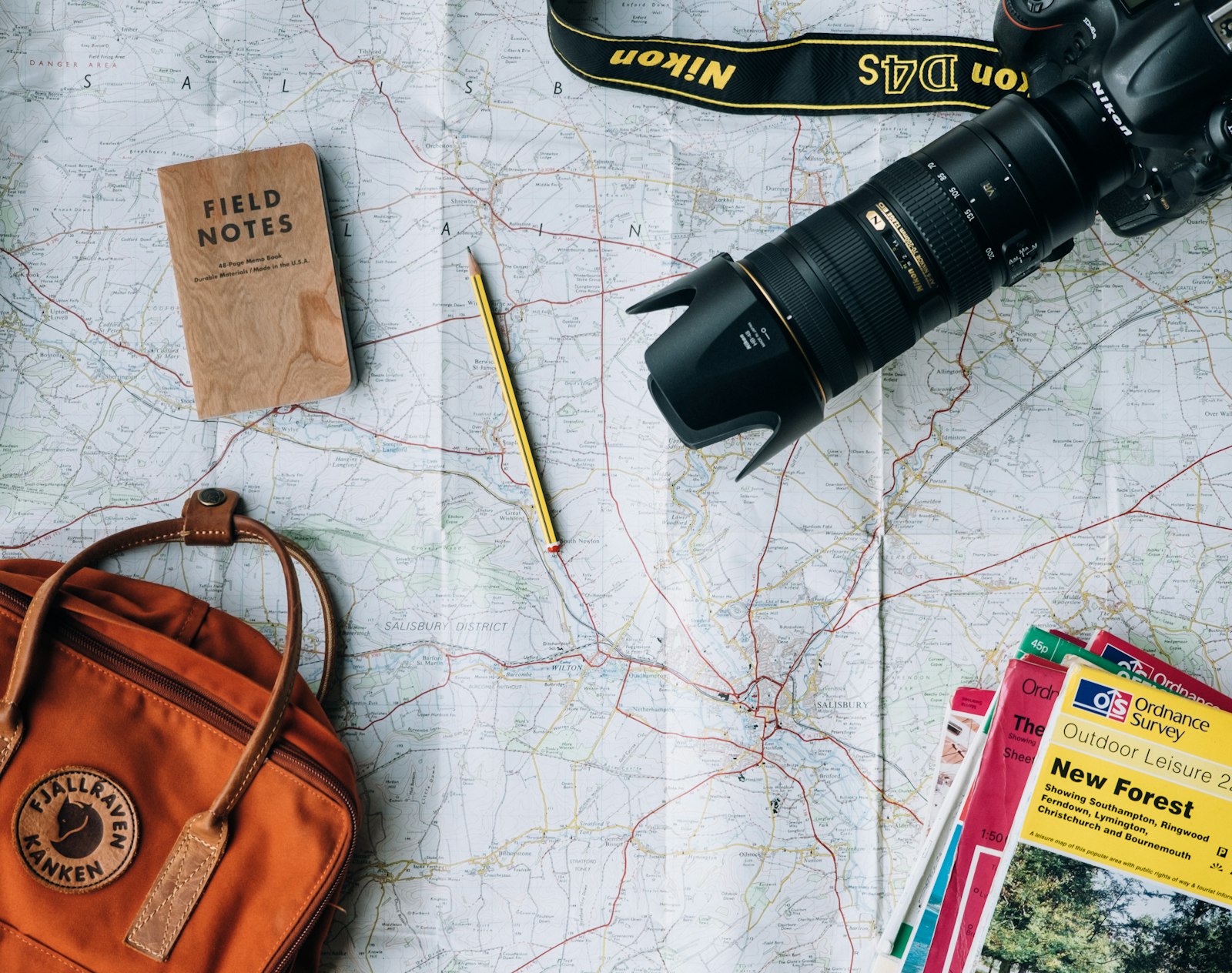
Travel is more than moving from one location to another. It is an opportunity to discover new places, meet people, experience different cultures and better understand the world around us.
A memorable journey might take us across an ocean, into a neighboring state or simply to an unfamiliar part of our own city. The distance traveled matters less than the openness and curiosity we bring with us.
Through SocialPulse®, TravelerPulse and AirlinesAirports, travelers can discover destinations, organize journeys, share local knowledge and connect travel experiences with the communities behind them.
Begin With the Purpose of Your Journey
Before booking transportation or accommodation, think about what you want from the trip.
Are you traveling to:
Visit relatives or reconnect with family?
Attend a wedding, reunion or memorial?
Explore history, food, art or culture?
Relax at a beach, resort or nature retreat?
Visit colleges, hospitals or business locations?
Participate in a religious pilgrimage?
Volunteer or support a community initiative?
Take a road trip or family vacation?
Experience a festival or special event?
A clear purpose makes it easier to select the right destination, schedule and budget. It can also prevent a trip from becoming an exhausting list of attractions with too little time to appreciate any of them.
Leave room for rest, conversation and unexpected discoveries.
Discover Destinations by Geography and Interest
People often begin travel research with the name of a destination. However, travelers may also explore according to their interests.
A person interested in history might search for forts, heritage districts, museums and archaeological sites. A food traveler may want farms, markets, bakeries, restaurants and regional cooking experiences. Nature travelers may prefer forests, lakes, mountains, wildlife reserves or coastal communities.
- SocialPulse® can help connect destination pages with relevant categories such as:
- Arts and culture
- Community events
- Family and heritage
- Faith and spirituality
- Food and farming
- History
- Nature
- Local businesses
- Transportation
- Weather
Geographical connections are equally important. A country page can link to states or provinces, which can then lead to cities, towns, neighborhoods and individual places.
This structure helps visitors move naturally from a broad destination to the local experiences that make it distinctive.
Plan Before You Book
Good planning reduces uncertainty without removing the spontaneity that makes travel enjoyable.
- Start with a practical checklist:
- Proposed travel dates
- Estimated budget
- Transportation options
- Accommodation preferences
- Local weather conditions
- Passport and identification requirements
- Visa or entry requirements
- Travel insurance considerations
- Accessibility requirements
- Health and medication needs
- Local transportation
- Emergency contact information
Entry rules, identification requirements and transportation policies can change. Always confirm current information through official government websites, airlines, airports, rail operators and other recognized transportation providers.
Avoid relying solely on old articles, social media posts or information forwarded through messaging groups.
Compare Transportation Options
The fastest route is not always the most convenient or affordable one.
- Depending on the destination, travelers may choose among:
- Commercial airlines
- Regional airports
- Trains
- Intercity buses
- Rental vehicles
- Ferries
- Cruise ships
- Taxis and rideshare services
- Bicycles and walking routes
Consider the complete journey rather than only the main ticket price. A low-cost flight arriving at a distant airport may require an expensive transfer. A train may take longer but arrive directly in the city center. A rental vehicle may be convenient for a family but unnecessary in an area with reliable public transportation.
AirlinesAirports can help travelers research airlines, airports, routes, terminals and other aviation-related information. Before departure, confirm flight schedules and terminal details directly with the airline or airport.
Create a Flexible Itinerary
An itinerary should provide direction without making every day feel rushed.
- A useful itinerary may include:
- Transportation confirmation numbers
- Accommodation addresses
- Check-in and checkout times
- Planned activities
- Reservation details
- Local contacts
- Maps and meeting points
- Emergency numbers
- Free time
- Alternative plans for bad weather or closures
Group travelers should agree on which activities everyone will attend together and which periods are open for individual exploration.
TravelerPulse can support trip organization by bringing important information, travel notes and destination resources into one place. Travelers can also maintain a personal travel hub containing future plans, completed journeys and useful links.
Do not place sensitive information such as full passport numbers, payment details or private identification documents on public pages.
Choose Accommodation Carefully
Accommodation affects safety, comfort, transportation and the overall travel experience.
- Before booking, examine:
- Location
- Recent guest reviews
- Cancellation terms
- Accessibility
- Transportation access
- Check-in arrangements
- Security features
- Taxes and additional fees
- Kitchen or meal availability
- Wi-Fi and workspace requirements
- Family or pet policies
Look beyond promotional photographs. Use maps to understand the surrounding area and calculate the distance to the places you plan to visit.
For longer stays, consider local guesthouses, serviced apartments or community-based accommodations where appropriate. These may provide more space and a stronger connection with local life.
Book through reputable services and verify unexpected payment requests before sending money.
Understand Local Transportation
Arriving at a destination is only the beginning. Travelers also need a safe and practical way to move around.
- Research whether the area has:
- Public buses
- Metro or subway systems
- Trams
- Local trains
- Licensed taxis
- Rideshare services
- Bicycle rentals
- Pedestrian-friendly areas
- Accessible transportation
Download necessary transportation applications and maps before leaving reliable internet coverage. Where possible, keep an offline map available.
If renting a vehicle, confirm licensing, insurance, toll, parking and traffic requirements. Driving customs can differ considerably between countries and regions.
Make Accessibility Part of the Plan
Accessible travel information should be included from the beginning, not treated as an afterthought.
- Travelers may need details about:
- Step-free entrances
- Elevators and ramps
- Accessible restrooms
- Wheelchair-compatible transportation
- Service-animal policies
- Seating and boarding assistance
- Hearing or visual assistance
- Quiet spaces
- Refrigeration for medication
- Distance between gates or platforms
Words such as "accessible" can mean different things to different providers. Contact the airline, hotel, attraction or transportation operator to confirm specific needs.
Community members can help by sharing accurate, respectful accessibility information about local places.
Prepare for Health and Safety
Most journeys are completed without serious problems, but preparation can make unexpected situations easier to manage.
- Travelers should consider carrying:
- Essential medication
- Copies of prescriptions
- Basic first-aid supplies
- Emergency contact details
- Insurance information
- Identification
- Phone chargers or power banks
- Weather-appropriate clothing
- Water and simple snacks
Research local emergency numbers and the location of suitable medical facilities. For international trips, review current health guidance from recognized public-health and government sources.
Travel information found online should not replace professional medical advice. Anyone with a health condition should discuss travel plans with an appropriate healthcare professional.
Protect Your Money and Personal Information
Tourists can be targets for theft, fraud and misleading offers.
- Useful precautions include:
- Using strong passwords and multifactor authentication
- Avoiding sensitive transactions on unsecured public Wi-Fi
- Keeping backup payment methods separately
- Setting payment alerts
- Confirming websites before entering card information
- Avoiding public displays of cash
- Securing passports and important documents
- Checking bank statements after the trip
Be suspicious of urgent requests for payment, offers that appear unusually inexpensive and strangers who pressure you to act immediately.
If a booking problem occurs, contact the provider using the official telephone number or website rather than a number contained in an unsolicited message.
Respect Local People and Culture
Every destination is someone's home.
- Responsible visitors learn about local expectations concerning:
- Clothing
- Religious places
- Photography
- Greetings
- Public behavior
- Tipping
- Environmental protection
- Historical and cultural sites
Ask permission before photographing individuals, ceremonies or private property. Follow restrictions at places of worship, museums and memorials.
Learning a few words in the local language can demonstrate respect and make everyday interactions easier.
Travel should create exchanges based on dignity rather than treating communities as scenery.
Support Local Communities
Tourism can strengthen local economies when visitors make thoughtful choices.
- Travelers can support communities by:
- Eating at locally owned restaurants
- Buying directly from artists and craftspeople
- Visiting neighborhood markets
- Hiring qualified local guides
- Staying at locally managed accommodations
- Attending community events
- Respecting fair prices
- Supporting conservation projects
- Learning about local charities and volunteer initiatives
Avoid volunteer activities that exploit vulnerable people or make promises that cannot be sustained. Responsible support begins by listening to what the community actually needs.
Travel With Environmental Awareness
Every journey has an environmental effect, but travelers can make choices that reduce unnecessary waste and damage.
- Consider:
- Taking direct routes when practical
- Using trains or public transportation
- Carrying reusable water bottles and bags
- Avoiding single-use products
- Staying on marked paths
- Following wildlife-viewing rules
- Conserving water and electricity
- Choosing responsible tour operators
- Supporting parks and conservation programs
Never feed, touch or disturb wildlife for a photograph. Do not remove plants, stones, shells or cultural objects from protected areas.
A beautiful destination remains beautiful only when residents, businesses and visitors help care for it.
Make Family Travel More Enjoyable
Traveling with children can be rewarding when the schedule reflects their needs.
- Families should plan for:
- Regular meals and rest
- Shorter activity periods
- Safe transportation seats
- Child-friendly accommodation
- Identification and contact cards
- Age-appropriate attractions
- Flexible schedules
- Familiar snacks or comfort items
Teach children what to do if they become separated from the group. Select an obvious meeting point and ensure they know the name and contact details of a responsible adult.
Family journeys are also opportunities to share cultural heritage. Visiting ancestral towns, family homes, places of worship and historic sites can help younger generations understand their roots.
Consider the Needs of Older Travelers
Older adults may require additional time for airport connections, boarding, rest and medication schedules.
- Helpful preparations include:
- Requesting mobility assistance early
- Selecting convenient seats
- Avoiding unnecessarily short connections
- Carrying medication in hand luggage
- Choosing centrally located accommodation
- Scheduling rest periods
- Confirming elevator access
- Keeping printed copies of essential details
Comfortable pacing often creates a better trip for the entire group, not only older travelers.
Respond Calmly to Delays and Disruptions
Weather, mechanical problems, strikes, road closures and missed connections can alter even the best-planned journey.
If a disruption occurs:
Confirm the situation through the official provider.
Review rebooking and cancellation options.
Contact accommodation or transportation providers affected by the change.
Keep receipts for necessary expenses.
Notify family members or travel companions.
Avoid posting sensitive itinerary details publicly.
Document important communications.
Travelers should be cautious of unofficial representatives who approach them during delays with expensive or unverifiable solutions.
A flexible schedule and a small emergency fund can reduce the pressure created by unexpected changes.
Share Helpful and Fair Reviews
Reviews help future travelers and can encourage businesses to improve.
- A useful review explains:
- When the visit occurred
- What service was purchased
- What worked well
- What problem occurred
- Whether staff had an opportunity to respond
- Whether the issue was resolved
- Any accessibility or practical information others should know
Separate personal preferences from serious service failures. Avoid insults, speculation and personal attacks.
If posting photographs, protect the privacy of staff members, children and other visitors.
Preserve the Story of the Journey
Photographs record what a place looked like, but stories preserve what the journey meant.
- Travelers can document:
- People they met
- Local foods they tried
- Family connections they discovered
- Cultural traditions they observed
- Unexpected challenges
- Helpful community members
- Lessons learned
- Places they hope to revisit
These stories can be connected to destination, family, community, history, food and nature pages across the SocialPulse® network.
A travel story becomes more valuable when it helps another person understand a place—not simply when it proves that the writer visited it.
Explore, Connect and Contribute
Thoughtful travel combines curiosity with preparation and respect.
Before the journey, research carefully. During the trip, support local communities and remain open to learning. After returning home, share accurate information that can help future travelers.
Through SocialPulse®, TravelerPulse and AirlinesAirports, members can discover destinations, organize useful resources, tell meaningful travel stories and connect places with the people who give them life.
Every journey has a route, but the most important part of travel is often the connection made along the way.
Discussion
ChatsPulse · 0 threads