A Stronger Tomorrow Through Community: The Favela-Born Movements Reshaping Rio
The smell of feijoada drifting from an open window, the percussion of a repique drum testing its skin three floors up, a child sitting cross-legged on a painted concrete step with a book spread across her knees — this is a Tuesday morning i
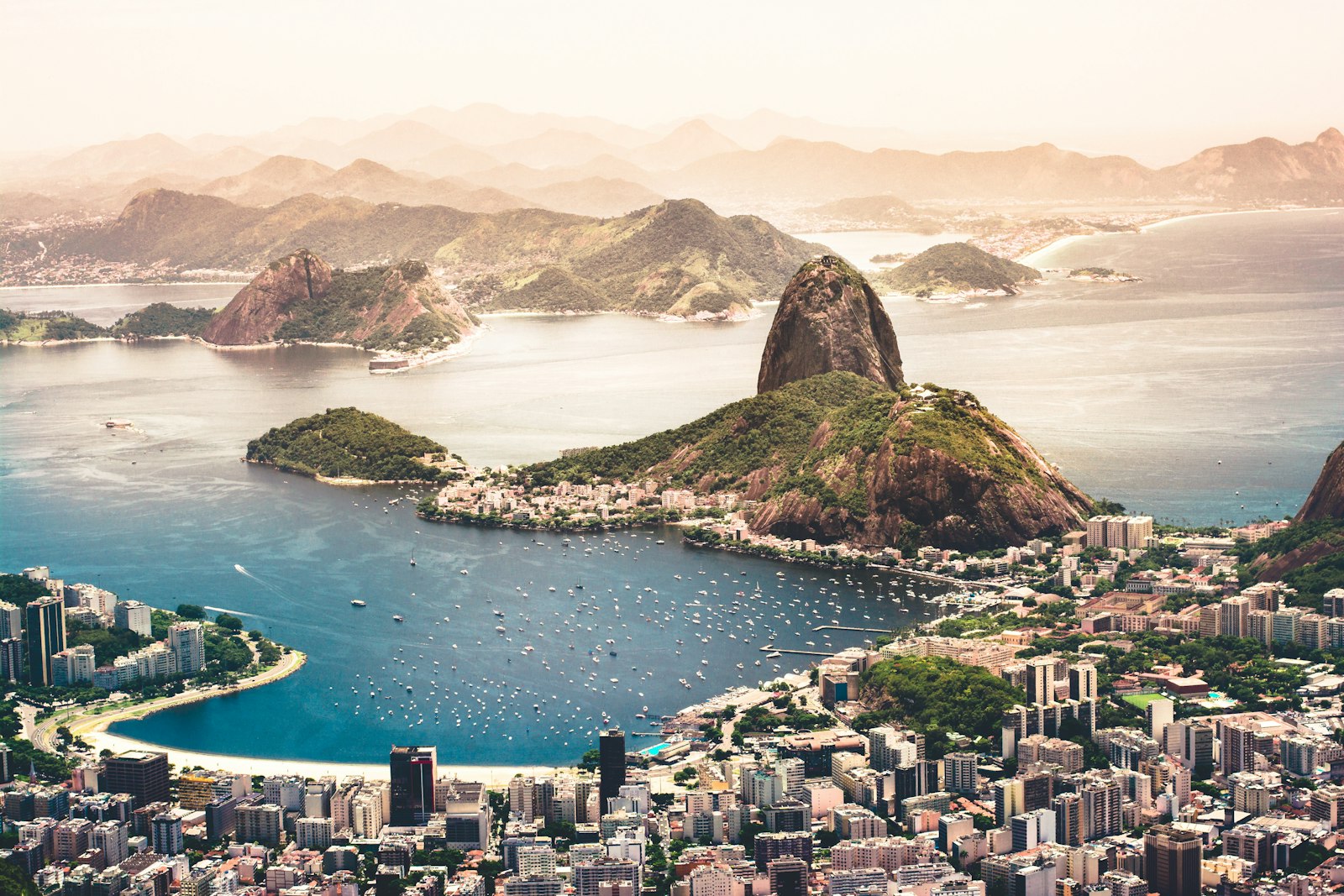
The smell of feijoada drifting from an open window, the percussion of a repique drum testing its skin three floors up, a child sitting cross-legged on a painted concrete step with a book spread across her knees — this is a Tuesday morning in Rocinha, and it looks nothing like the version of this hillside that tends to appear on the evening news.
Libraries Built from the Inside Out
Tucked into the labyrinthine vielas — the narrow pedestrian lanes that function as the nervous system of Rocinha — community libraries have been quietly multiplying for years. These are not satellite branches of municipal institutions. They are built shelf by shelf, often seeded with donated volumes and maintained by neighborhood volunteers who understand that literacy is inseparable from dignity. In Complexo do Alemão, the iconic cable car station near Palmeiras has served as a gathering point for reading circles where teenagers lead sessions, not just attend them. The act of choosing which book a younger child borrows first is, in its own way, a rehearsal for civic life.
When a community controls its own story — literally, the books on its own shelves — something fundamental shifts about how that community sees itself.
Samba Schools as Social Architecture
Outsiders sometimes look at a samba school and see sequins and spectacle. Residents of Mangueira, Salgueiro, or Portela see something more structural: a year-round institution that absorbs youth into choreography workshops, costume ateliers, percussion batteries, and administrative committees. This is social infrastructure operating under a different name. In the weeks between Carnaval seasons, quadras — the large rehearsal halls attached to each school — become venues for community meetings, legal aid clinics, and skill-sharing workshops. The samba school does not pause between parades. It breathes continuously, drawing young people away from idleness and toward craft, collaboration, and pride in collective achievement.
The Tour That Belongs to the Community
For a long time, guided visits to Rio's favelas were organized and monetized almost entirely by operators based in the Zona Sul. The revenue flowed downhill in the wrong direction. Cooperative tourism initiatives, some now operating formally out of Rocinha, have rewritten that arrangement. Local guides — born and raised on these slopes — lead visitors through their own neighborhoods on their own terms, framing their own histories. The difference is not merely economic, though residents keeping their own earnings matters enormously. The difference is narrative authority. A guide from Rocinha who explains the view from Alto Rocinha is not performing poverty for consumption. He is showing you where he watched New Year's fireworks as a child, and asking you to hold that image with some respect.
- Cooperative training programs help guides develop multilingual skills and conflict-resolution tools.
- Revenue-sharing models channel portions of tour income into community funds supporting local schools and health initiatives.
- Community approval processes give residents a say in which routes are accessible and how visitor numbers are managed.
CUFA and the Dignity of Culture as Infrastructure
The Central Única das Favelas — known widely as CUFA — began in Rio but has spread across Brazil as a network that treats culture not as decoration but as foundation. Through CUFA-affiliated programs, young people in Complexo do Alemão have accessed professional film equipment, recording studios, graffiti workshops, and entrepreneurship training — often within the same community center, on the same afternoon. The philosophy resists the idea that favela residents must leave their neighborhoods to access quality. The access comes to them, and more importantly, is often eventually run by them. Alumni of early CUFA programs in Rio now coordinate new cohorts, collapsing the distance between beneficiary and leader.
Self-Determination Is the Common Thread
What connects a lending library in a viela, a samba school's off-season legal clinic, a cooperative tour guide on a hillside, and a teenager editing her first short film in a CUFA studio? It is not charity received. It is agency exercised. These are communities that have, through sustained and unglamorous collective effort, built systems that reflect their own values, serve their own needs, and amplify their own voices. The strength visible on these hillsides did not arrive from outside. It was always here, organizing itself.
If you have visited Rocinha or Complexo do Alemão, participated in a community tourism cooperative elsewhere in Latin America, or have thoughts on how cultural infrastructure shapes dignity in your own neighborhood, we would genuinely love to hear from you in the discussion below. Every perspective adds something the story needs.
Discussion
ChatsPulse · 0 threads