Nature: Discover, Document and Protect the Living World Around Us
A guide to NaturePulse — the living, location-based record of plants, animals, water, weather and landscapes. Observe responsibly, document beauty and change, and turn observation into conservation.
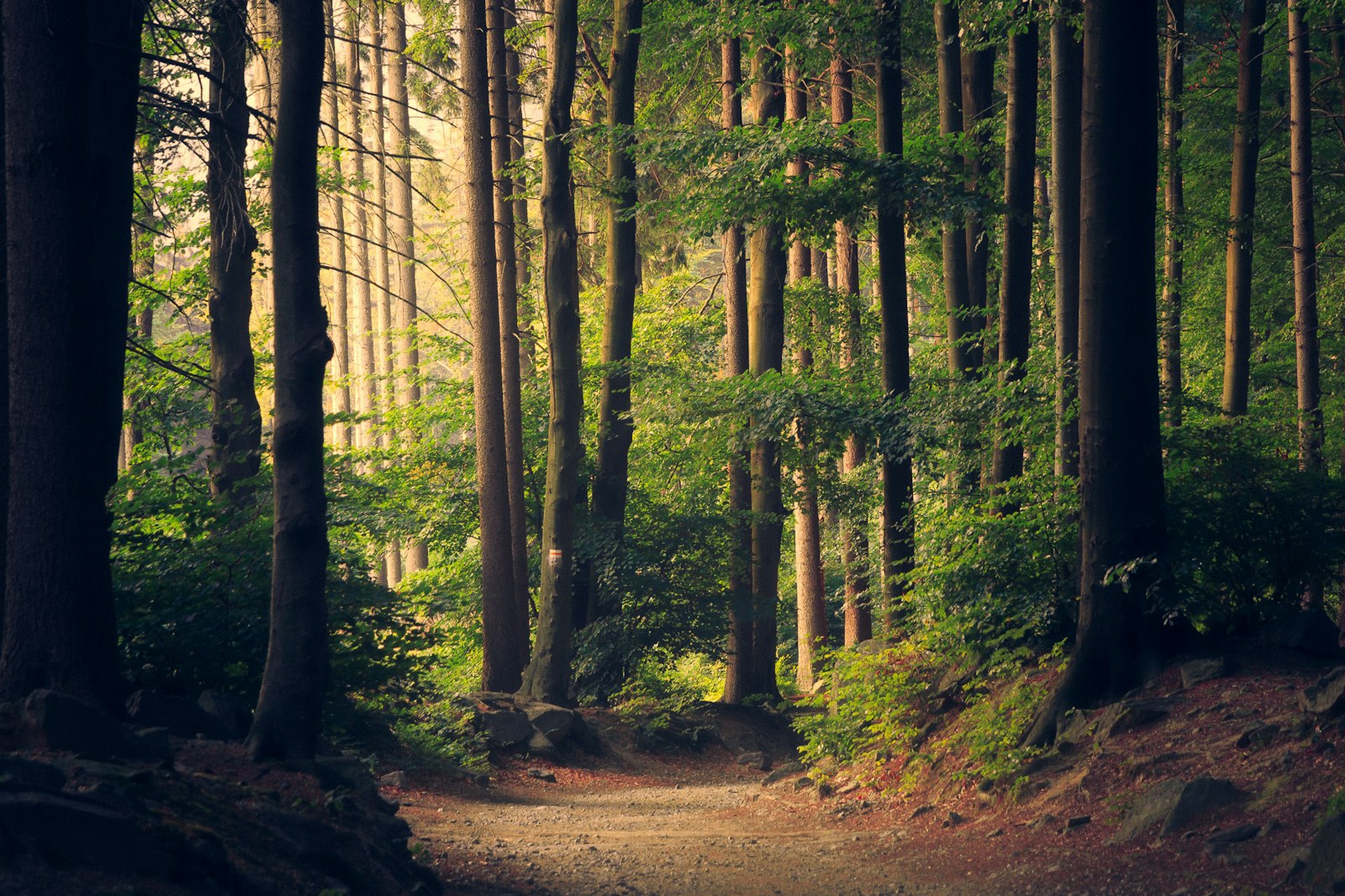
Nature is everywhere.
It is found in forests, mountains and oceans, but also in neighborhood parks, roadside trees, backyard gardens, city ponds and the birds outside an apartment window. Every community has a natural story shaped by its plants, animals, water, weather, landscapes and changing seasons.
Yet much of this local knowledge is never recorded. A flowering tree may disappear without being identified. A wetland may change without photographs documenting its earlier condition. A rare bird sighting may remain known only to one family. Memories of storms, floods, droughts and seasonal changes may vanish as generations pass.
NaturePulse, part of the SocialPulse® network, is envisioned as a living, location-based record of the natural world—a place where people can observe, document, learn, share and help protect the environment around them.
Discover Nature. Follow the Weather. Understand Climate. Protect Our Future.
Nature Begins Where You Live
People sometimes believe that discovering nature requires traveling to a national park or remote wilderness. In reality, some of the most meaningful observations begin close to home.
- A local resident may notice:
- The first flower of spring
- A bird returning during migration
- Butterflies gathering around a particular plant
- A stream rising after heavy rain
- A tree damaged during a storm
- Wildlife adapting to an urban neighborhood
- A pond drying earlier than usual
- A new insect appearing in a garden
- A traditional fruit tree still growing on family land
- Changes in the timing of leaves, flowers or harvests
A single observation may seem small. When many observations are recorded over time, however, they can create a valuable picture of how a place is changing.
NaturePulse can connect these observations to a precise geographic structure: country, state or province, district or county, city, town, neighborhood and natural site. This makes it possible to explore nature not only by topic, but also by place.
A Living Museum Created by Communities
A traditional museum preserves selected objects inside a building. A living nature museum can document plants, animals, landscapes and natural events where they are actually found.
NaturePulse's planned Living Museum can invite people around the world to contribute observations across categories such as:
- Animals and wildlife
- Birds
- Fish and aquatic life
- Insects and other organisms
- Trees and plants
- Fruits and vegetables
- Flowers
- Forests and grasslands
- Mountains, hills and valleys
- Lakes, rivers, ponds and wetlands
- Oceans and coastal environments
- Rocks, minerals and geological features
- Rain, snow, clouds and storms
- Sunrises, sunsets and seasonal scenery
Each contribution can become part of the historical record of a location.
- A useful nature entry may include:
- A clear title
- Common and scientific names, when known
- Photographs or video
- Date and time observed
- General location
- Habitat description
- Weather conditions
- Estimated number observed
- Behavior or condition
- Identification confidence
- Conservation status, when verified
- Contributor name or preferred credit
- Sources used for identification
- Additional notes and updates
- This creates a simple community workflow:
- Observe → Document → Locate → Identify → Share and Contribute
- You Do Not Need to Be a Scientist
Nature knowledge should not be limited to specialists.
Farmers understand soil, rainfall, crops and seasonal patterns. Fishers observe water and aquatic life. Gardeners recognize plant behavior and pollinators. Hikers see changes in trails and forests. Older residents remember how rivers, shorelines and seasons looked decades ago. Children notice insects, birds and small details adults often overlook.
Scientists and trained naturalists remain essential for accurate identification and research, but community observations can help reveal questions that deserve closer attention.
A contributor should never feel pressured to identify a species with certainty. An entry may be marked:
- Identification needed
- Tentative identification
- Community verified
- Expert verified
- Correction requested
This allows people to contribute what they have observed while leaving room for specialists and knowledgeable community members to improve the record.
NaturePulse should encourage curiosity while clearly separating personal observation from scientifically verified information.
Photograph Nature Responsibly
Photography is one of the most effective ways to document nature, but a photograph should never come at the expense of the subject.
When taking nature photographs:
Keep a respectful distance from wildlife.
Do not chase, touch or feed animals.
Avoid disturbing nests, dens and breeding areas.
Stay on marked trails where required.
Do not remove plants, rocks, eggs, shells or artifacts.
Avoid damaging vegetation to obtain a clearer picture.
Keep noise and artificial lighting to a minimum.
Follow all park, wildlife and private-property rules.
Photographs should show natural behavior whenever possible. Feeding an animal or moving an organism into a better position can cause stress, injury or dependence on people.
The safety of the animal, plant, habitat and observer is more important than the photograph.
Protect Sensitive Locations
Precise geographic information can be valuable, but it can also create risks.
Publishing the exact location of an endangered plant, nesting bird, vulnerable animal or culturally sensitive natural site may attract collectors, crowds or disturbance. NaturePulse should therefore support different location settings:
- Exact coordinates
- Approximate location
- Neighborhood or general area
- Protected location visible only to authorized reviewers
- Location withheld from the public
Contributors should use the least precise public location necessary for sensitive observations.
Information about endangered species should be reviewed carefully before publication. NaturePulse can preserve useful data without exposing fragile habitats to unnecessary risk.
Record More Than Beautiful Scenery
Nature documentation should celebrate beauty, but it should also record change.
- Community members may report:
- Habitat loss
- Water pollution
- Invasive species
- Litter or illegal dumping
- Erosion
- Flooding
- Drought
- Wildfire effects
- Storm damage
- Tree disease
- Fish or wildlife deaths
- Declining pollinator activity
- Unusual seasonal changes
- Restoration and conservation successes
These reports should be factual and supported by photographs, dates and locations whenever possible.
NaturePulse is not a replacement for emergency services, environmental agencies or wildlife authorities. Urgent hazards, injured wildlife, active fires, pollution incidents and public-safety threats should be reported directly to the appropriate local authority.
A NaturePulse record can complement official reporting by preserving the community's observations and documenting what happens over time.
Connect Nature With Weather
Weather shapes the daily life of every ecosystem.
Rain fills rivers and supports crops. Temperature influences flowering, migration and breeding. Wind moves seeds and changes landscapes. Snow stores water. Storms can transform forests, coastlines and communities within hours.
- NaturePulse's planned Weather Almanac can connect local observations with:
- Temperature
- Rainfall
- Snowfall
- Wind
- Clouds
- Storms
- Floods
- Drought
- Heat waves
- Cold events
- Seasonal patterns
- Historical weather memories
Members may contribute photographs, videos, descriptions and personal accounts of weather events. These entries can be organized by location and date, creating a permanent community record.
Someone searching a town decades later may be able to see photographs of a major snowfall, read residents' memories of a flood or compare the timing of seasonal changes.
Official weather alerts must always come from recognized meteorological and government agencies. Community reports can add local context, but they should not be presented as official forecasts or emergency instructions.
Understand Climate Through Local Change
Weather describes short-term conditions. Climate describes patterns measured over much longer periods.
One hot day does not establish a climate trend, just as one cold day does not disprove one. Meaningful climate conclusions require reliable long-term data and scientific analysis.
- Community observations can still contribute important local context. Residents may document:
- Earlier flowering or harvest dates
- Changes in bird migration
- Longer periods of extreme heat
- Reduced snow cover
- Recurring drought
- Coastal erosion
- Changes in water availability
- Shifts in plant or animal populations
- Increasing wildfire effects
- More frequent flooding
Individual memories and photographs should not be treated as complete scientific proof. When preserved carefully and connected with verified records, however, they can help communities understand how environmental change is experienced locally.
NaturePulse can connect community observations with authoritative information from universities, research institutions, meteorological agencies and environmental organizations.
Preserve Traditional and Indigenous Knowledge Respectfully
Communities have understood their environments for generations.
- Traditional knowledge may include:
- Local names for plants and animals
- Seasonal planting and harvesting practices
- Uses of native plants
- Water-conservation methods
- Wildlife behavior
- Fishing and farming traditions
- Historical weather patterns
- Sacred natural places
- Oral histories connected to landscapes
This knowledge deserves respect, attribution and appropriate consent.
Not all cultural or Indigenous knowledge should be made public. Some information may belong to a family, tribe, community or cultural group and may be restricted, sacred or sensitive.
NaturePulse contributors and editors should obtain permission before publishing knowledge received from others. The source community should determine how it is described, credited and shared.
Help Identify Local Species
A community identification system can turn an unknown observation into a learning opportunity.
- A contributor might upload a photograph and provide:
- Where it was seen
- When it was seen
- Approximate size
- Color and distinguishing features
- Habitat
- Movement or behavior
- Sounds
- Nearby plants or water
- Additional photographs from different angles
Other members can suggest an identification and explain the evidence behind it. Reliable field guides, university resources, museum databases and government wildlife resources should be referenced where possible.
For potentially poisonous plants, venomous animals, dangerous insects or edible species, users should never rely solely on a community identification. Expert confirmation may be essential.
NaturePulse content should be educational and should not replace professional medical, veterinary, agricultural or wildlife advice.
Encourage Young Nature Explorers
Children are naturally curious about living things. A child who learns the name of a neighborhood bird or tree may begin a lifelong relationship with nature.
- Families and schools can use NaturePulse for activities such as:
- Creating a schoolyard species list
- Photographing seasonal changes
- Keeping a rainfall journal
- Mapping neighborhood trees
- Observing butterflies and pollinators
- Recording birds without disturbing them
- Documenting a community garden
- Comparing leaves, rocks or clouds
- Interviewing elders about past weather events
- Participating in habitat restoration
Children's privacy and safety must always come first. Public contributions should not reveal a child's home address, daily routine, school schedule or other sensitive personal information.
Teachers and parents can supervise submissions and help children distinguish observation, interpretation and verified fact.
Connect Farmers and Gardeners With Nature
Agriculture is inseparable from the natural environment.
Farmers and gardeners observe rainfall, soil, pollinators, pests, plant diseases and seasonal changes every day. Their contributions can help document:
- Crop development
- Soil conditions
- Water availability
- Pollinator activity
- Beneficial insects
- Pest outbreaks
- Plant diseases
- Traditional crop varieties
- Orchard and garden harvests
- Weather effects on production
- Regenerative and conservation practices
NaturePulse and FarmersPulse can work together to connect these observations with agricultural knowledge. FoodPulse can further connect farms, gardens and harvests with food availability, local markets and food-waste reduction.
This creates a broader understanding of the relationship between nature, farming, food and community life.
Explore Nature by Place and Category
NaturePulse content can be interconnected across the SocialPulse® network.
- A river observation may appear under:
- The river's individual page
- The relevant city or town
- Its county or district
- Its state or province
- The country
- Water and waterways
- Wildlife
- Weather
- Environmental concerns
- Local history
A single well-documented contribution can therefore become useful to residents, travelers, students, researchers and community organizations.
SocialPulse® Blog articles about nature can also be routed to relevant NaturePulse pages with appropriate publisher or editorial approval. This allows local stories to reach readers interested in the same place, species or environmental topic.
Build Trust Through Careful Contributions
A trustworthy nature platform depends on the quality of its records.
Before submitting an observation:
Confirm the date and general location.
Select the most appropriate category.
Use original photographs whenever possible.
Clearly identify edited or illustrative images.
Separate what you observed from what you assume.
Include credible sources for factual claims.
Avoid exaggerating conservation status or danger.
Protect sensitive species and private property.
Correct the entry if better information becomes available.
Treat other contributors respectfully.
NaturePulse should retain correction histories where appropriate so that the record can improve without hiding how knowledge developed.
Artificial intelligence may assist with organization, translation, suggested identification and summaries, but important facts should be reviewed. AI-generated identifications should never be presented as expert verification.
Turn Observation Into Conservation
Documentation is valuable, but it becomes even more powerful when it inspires responsible action.
- Community members can:
- Join local cleanups
- Plant native species
- Reduce pesticide use
- Protect pollinator habitats
- Report environmental hazards
- Support wildlife rehabilitation
- Volunteer with parks and conservation groups
- Participate in tree-planting programs
- Conserve water
- Reduce waste
- Restore streams and wetlands
- Support responsible environmental education
NaturePulse can connect observations with local organizations, volunteer opportunities and conservation projects.
The goal is not only to create a collection of beautiful photographs. It is to help people understand what exists, recognize what is changing and participate in protecting what remains.
Preserve the Past, Understand the Present and Protect the Future
Every landscape has a history. Every species has a role. Every community has observations worth preserving.
A photograph of a tree today may become an important historical record decades from now. A resident's account of a flood may help future generations understand their town. A child's first bird observation may begin a lifetime of learning and conservation.
NaturePulse gives individuals and communities a way to build that record together.
Observe what grows around you. Listen for birds and insects. Notice the clouds, rain, rocks, waterways and changing seasons. Photograph responsibly. Record what you know. Ask questions about what you do not know. Share knowledge with care.
Together, we can create a living museum of the Earth—organized by place, strengthened by community and preserved for generations.
NaturePulse: Preserving the past. Understanding the present. Protecting the future.
More in Nature
A Cleaner, Greener Tomorrow: How Copenhagen Turns Sustainable Ideas Into Everyday Life
On a Tuesday morning in November, when the sky over Nørreport Station sits low and pewter-grey, thousands of Copenhageners clip into their pedals and ride anyway. Not because they are zealots or fitness enthusiasts, but because the cycling
SocialPulse Editorial · Sep 8, 2026

Nature Heals in Unexpected Ways: Walking the Sacred Valley of the Incas
The air at Pisac market smells like woodsmoke and overripe cherimoya, and your lungs — still apologizing for arriving from sea level two days ago — pull at it like they're drinking through a straw. You stand at the trailhead above the town'
SocialPulse Editorial · Sep 8, 2026