History: Recovering the Stories That Shaped Every Place
Every village, neighborhood, city and family has a history. How to document local places, preserve oral histories, identify old photographs and include voices missing from official records.
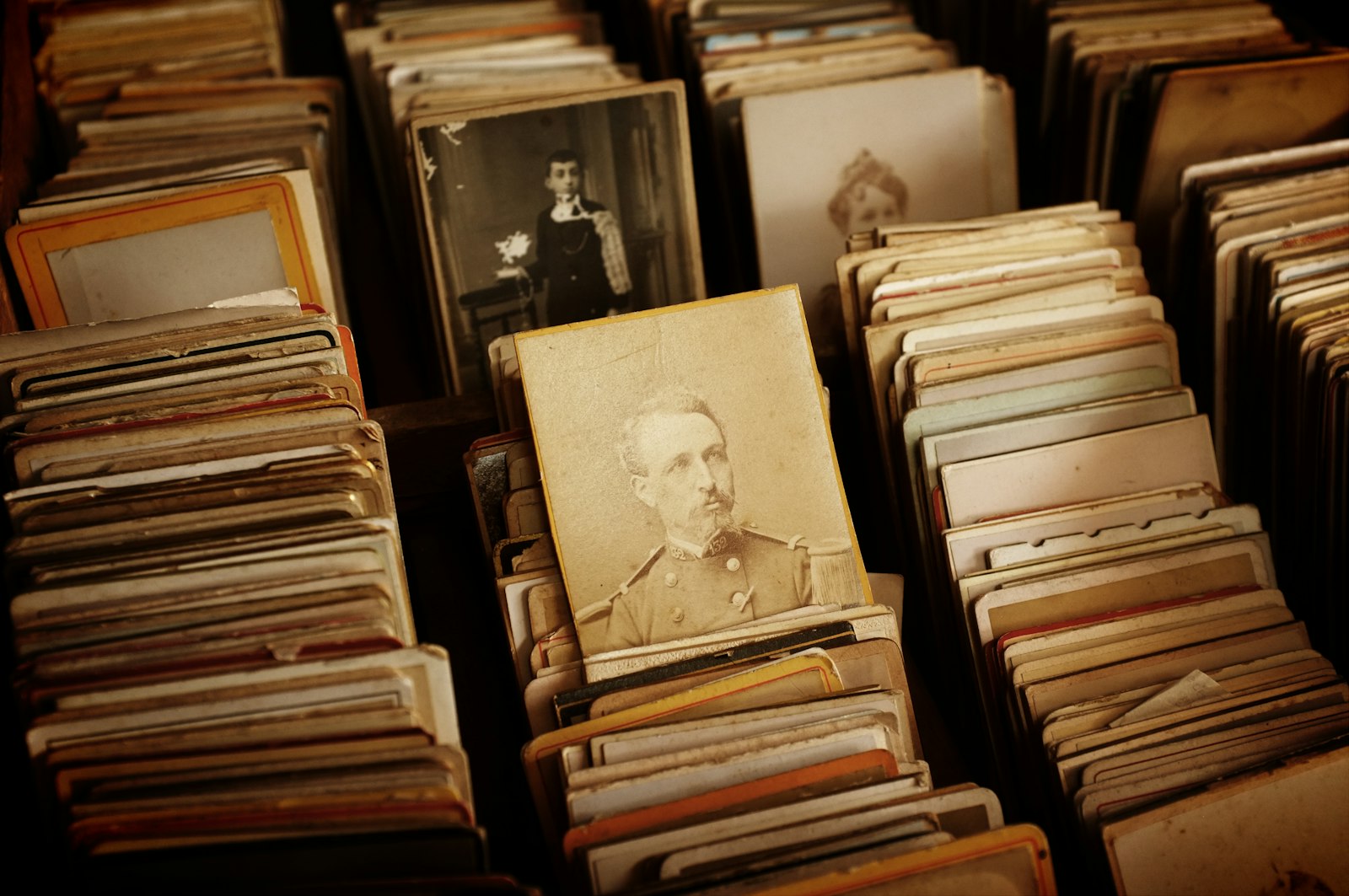
History is not only the record of kings, presidents, wars and governments. It is also the story of ordinary people — their work, homes, journeys, beliefs, struggles and contributions.
Every village, neighborhood, city, institution and family has a history. Some of it is preserved in archives and official documents. Much of it remains in photographs, letters, buildings, family memories and stories told from one generation to another.
The History section of SocialPulse® Blog provides a place to discover, document and preserve these stories with evidence, context and respect.
History Begins Close to Home
Learning the history of familiar places can change how we see them. An ordinary building may have served as a school, hospital, meeting hall or refuge. A quiet street may once have been a major trade route. A local tradition may preserve the memory of migration or survival.
Record Local History Before It Disappears
Local history projects can preserve historic photographs, maps, newspaper reports, public records, oral histories, business directories, school records, religious registers, land documents, letters and diaries, community newsletters, video recordings, architectural details and traditional place names. Even a small collection can become valuable when it is carefully described and preserved.
Start With a Question
A good history article often begins with a simple question: Why does this street have its name? Who built this school? What stood here before the current building? Why did families migrate to this area? When did electricity first arrive? A focused question makes research more manageable and helps identify useful evidence.
Use Reliable Sources
Useful sources include government archives, census records, land and property records, court documents, newspapers, school and university archives, religious institutions, libraries, museums, historical societies, military records, immigration records, cemetery inscriptions, family documents, recorded interviews and academic publications. Record each source's title, author, date, institution and location.
Understand Primary and Secondary Sources
A primary source was created during the period being studied. A secondary source interprets or analyzes information from primary sources. Both are useful. Even primary sources may contain mistakes, prejudice or limited viewpoints — sources should be evaluated rather than accepted automatically.
Preserve Oral History
An oral-history interview can explore childhood, family life, school, work, transportation, food, festivals, migration, neighborhood businesses, natural disasters, political events, social change, community leaders and local expressions. With permission, record audio or video. Keep the original recording, a written transcript, the interview date and information about the speaker.
Identify Old Photographs
For every photograph, try to record people shown, location, approximate date, occasion, photographer, owner or source, buildings or landmarks, vehicles, clothing or objects and how the date was estimated. Do not add names based only on resemblance.
Tell the History of Buildings, Institutions and Businesses
Buildings can reveal how a community grew and changed. Institutional history includes founding date, founders, original location, early students or members, leadership, buildings, important programs, community service, traditions, changes in name or purpose and notable alumni. Local business history documents founder, opening date, products or services, employees, original location, changes in ownership, customer memories, economic conditions and reasons for growth or closure.
Trace Migration and Include Missing Voices
Migration is central to the history of many communities. Traditional histories often focus on political leaders, wealthy families and major institutions. Community history should seek the experiences of women, workers, indigenous communities, minority groups, immigrants, people with disabilities, rural communities, domestic workers and children. Inclusion does not mean inventing information — it means searching more carefully for sources.
Approach Difficult History Honestly
Responsible writing should use evidence, provide historical context, avoid sensationalism, respect victims and descendants, identify outdated or harmful terminology, explain disagreements among historians and include the voices of affected communities. Historical honesty can be uncomfortable, but it helps communities understand both progress and continuing problems.
Connect Family History With Local History
A relative's migration may relate to economic change. An occupation may reflect a local industry. Personal accounts make public history more human, while historical context makes family stories more understandable.
Use Technology Carefully
Technology can help restore photographs, transcribe interviews, search archives and translate records. AI-generated statements, reconstructed images and automated transcriptions must be reviewed. A realistic-looking image should never be presented as an authentic historical photograph if it was generated or substantially altered.
Respect Copyright, Ownership and Privacy
Old does not always mean free to use. Before publishing a document or image, identify its source, determine whether permission is required, credit the creator or archive, follow reproduction conditions, protect private family information and consider culturally restricted materials.
Help Preserve the History Around You
Begin with one place, one person or one question. Interview an older resident. Identify an old photograph. Research a school, business or building. Document a tradition. Record how your neighborhood changed. Connect a family story with the events surrounding it. History is being lost every day — but it is also waiting to be discovered.