Health: Reliable Information, Real Experiences and Better Connections to Care
A place for responsible health education and real experiences. Find services, prepare for appointments, recognize misinformation, support caregivers and protect health privacy.
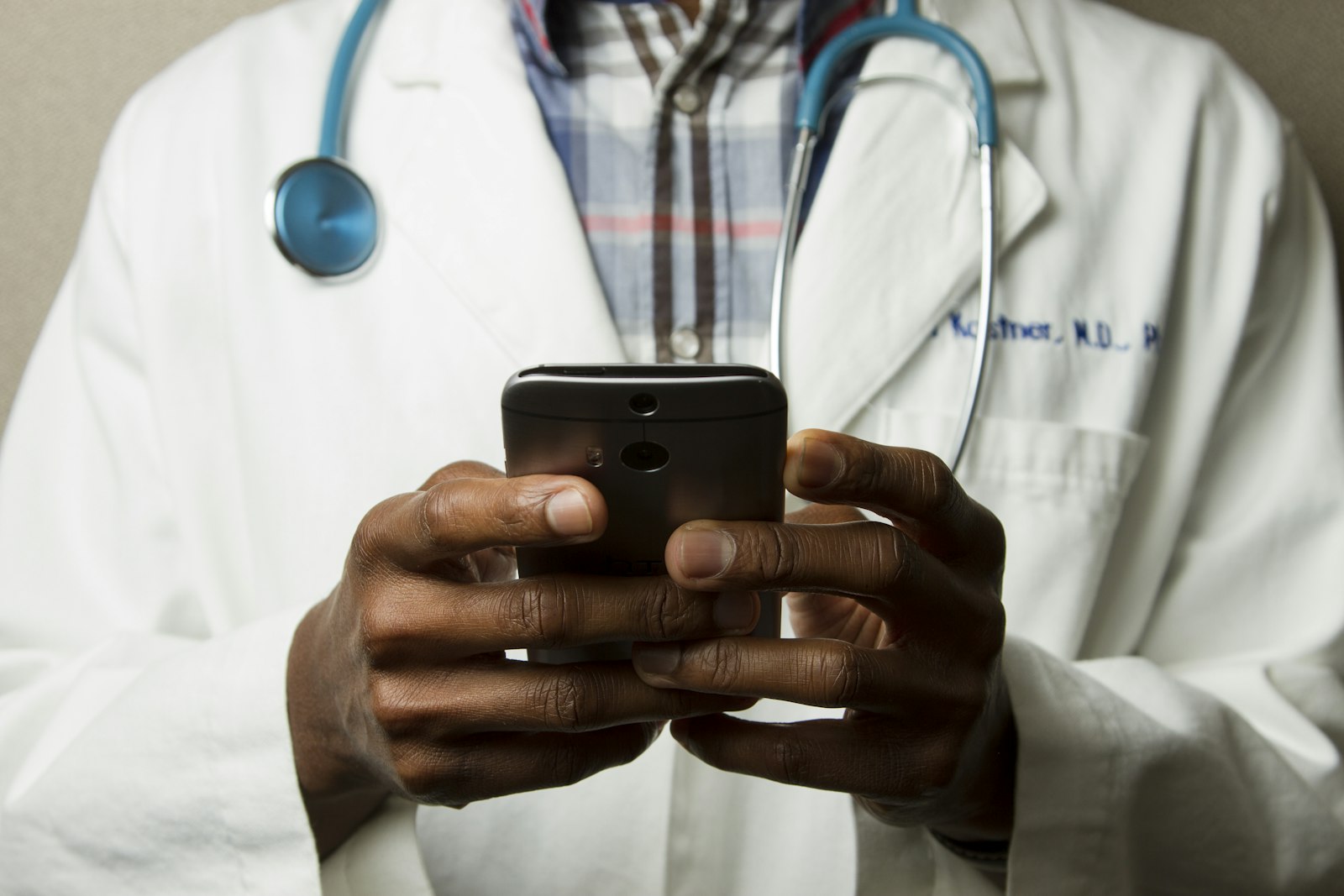
Health affects every part of life — our families, work, education, finances and ability to participate in the community.
Yet finding understandable health information can be difficult. Medical language may be confusing, local services may be hard to locate and online discussions may mix reliable evidence with personal opinion or misinformation.
The Health section of SocialPulse® Blog provides a place for responsible health education, personal experiences, community resources and practical information about finding care. It is designed to help people ask better questions and discover useful services — not to replace qualified medical professionals.
Health Is More Than Treating Illness
Health is influenced by nutrition, physical activity, sleep, mental and emotional well-being, preventive care, safe housing, clean air and water, education, employment, transportation, social connection, access to healthcare, financial stability and community safety.
Find Health Services Near You
Geographic health pages can help residents find primary-care physicians, pediatricians, dentists, specialists, hospitals, urgent-care centers, pharmacies, laboratories, mental-health providers, rehabilitation services, physical therapists, home-health agencies, senior-care services, community clinics, public-health departments, addiction-treatment resources, support groups and medical transportation. Provider credentials, licenses, insurance participation and availability should always be independently confirmed.
Prepare for Medical Appointments
Before an appointment, consider preparing the main reason for the visit, symptoms and when they began, medication and supplement list, allergies, relevant medical history, recent test results, questions, changes since the last visit, names of other healthcare providers, insurance information, preferred pharmacy and language or accessibility needs.
Understand Health Information
A useful health article should identify the condition being discussed, common signs and symptoms, possible causes or risk factors, how healthcare professionals evaluate it, available treatment categories, preventive measures when supported by evidence, when professional care may be appropriate, warning signs requiring urgent attention, sources and date of review. Articles should not promise cures, encourage self-diagnosis or tell readers to discontinue prescribed treatment.
Personal Stories Can Help — But They Are Not Medical Proof
One person's experience does not establish what is safe or effective for everyone. Personal stories should be identified as individual experiences and should not be presented as medical instructions.
Mental Health Deserves the Same Respect
The Health section may include responsible information about stress, anxiety, depression, grief, trauma, loneliness, caregiver strain, substance-use disorders, workplace mental health, student mental health, social connection and counseling services. Someone facing an immediate crisis, suicidal thoughts or danger should contact local emergency services or an appropriate crisis resource.
Support Family Caregivers
Caregiver information may cover organizing appointments, medication lists, transportation, meal preparation, home safety, communication with providers, respite care, financial and legal planning, caregiver support groups, managing stress, coordinating family responsibilities and emergency preparation.
Healthy Aging and Children's Health
Older adults have diverse goals, abilities and healthcare needs. Content should avoid treating all older adults as frail or dependent. Children's privacy must be protected — medical details, photographs and identifying information should not be published without appropriate authorization.
Nutrition, Food and Medication Safety
Nutrition advice should not promise to cure disease or replace individualized medical care. People should consult a qualified healthcare professional or pharmacist before starting, stopping or changing medication. Personal medical information should be stored privately and securely — not posted publicly.
Prevention, Accessibility and Public Health
Appropriate preventive recommendations depend on age, health history, pregnancy status, geography and individual circumstances. A health platform should recognize disability as part of human diversity — not merely as a medical problem. Public health connects individual well-being with community conditions such as air quality, water safety, food recalls and disease outbreaks.
Traditional and Complementary Practices
"Natural" does not automatically mean safe. Herbs and supplements may cause side effects or interact with medication. Traditional practices should not be promoted as replacements for necessary medical care without reliable evidence.
Recognize Health Misinformation
Warning signs include claims of a secret cure, guarantees, pressure to stop prescribed treatment, testimonials used instead of evidence, claims that one product treats many unrelated conditions, urgent demands for payment, lack of sources and misuse of professional titles.
Protect Health Privacy
Do not publicly share medical-record numbers, insurance identification, prescription labels with personal details, home addresses, private test results, identification documents, another person's diagnosis, children's medical information or information a family asked to keep private.
Emergency Information
SocialPulse is not an emergency service. Someone experiencing severe symptoms, immediate danger, a suspected overdose, suicidal thoughts or another urgent crisis should contact the appropriate emergency or crisis service in their location.
Better Information Can Lead to Better Conversations
Health decisions belong to individuals working with qualified professionals who understand their specific circumstances. Ask questions. Verify sources. Protect privacy. Seek professional care when needed. Health is personal, but no one should have to navigate it entirely alone.