Food: Connecting People From the Farm to the Family Table
Recipes, farmers, markets, restaurants and charities. How to preserve family recipes, support local producers, share surplus safely and reduce waste across your community.
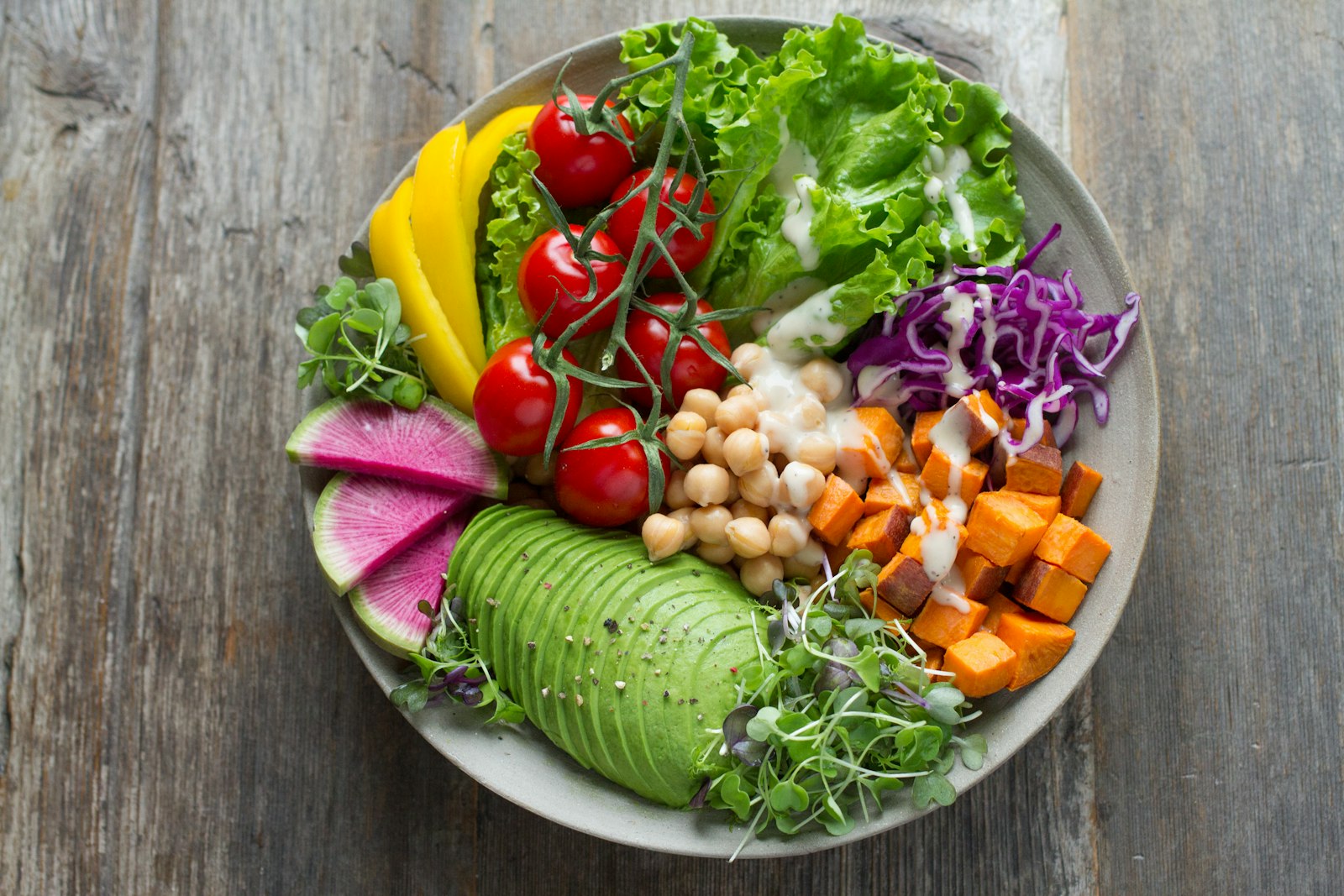
Food is one of humanity's most essential needs, but it is also much more than nourishment.
A recipe can preserve family history. A local market can support an entire farming community. A shared meal can welcome a stranger. A donated box of produce can help a family through a difficult week. A better understanding of labels and ingredients can help people make more informed choices.
The Food section of SocialPulse® Blog celebrates the people, places, traditions and ideas within the food chain—from farmers and producers to markets, kitchens, restaurants, charities and household tables.
Through its connection with FoodPulse, this section also helps communities discover food, share surplus, find local deals and work together to reduce waste.
Every Food Has a Story
The foods we eat are shaped by geography, climate, migration, culture, trade and family tradition.
- A single dish may reveal:
- Where ingredients originated
- How crops were cultivated
- Which communities prepared it
- How migration changed the recipe
- When it was served
- Which utensils were traditionally used
- How ingredients were preserved
- What the meal meant to a family
- How the recipe continues to evolve
Food writing becomes more meaningful when it explains not only how to prepare something, but also where it came from and why people value it.
Preserve Family Recipes
Many recipes are passed down through observation rather than written instructions. A parent or grandparent may cook by instinct, using measurements such as "a handful," "a pinch" or "until it looks right."
Without documentation, these recipes may disappear.
- A complete family recipe can include:
- Recipe name
- Alternate or regional names
- Person associated with it
- Place of origin
- Cultural significance
- Ingredients
- Measurements
- Preparation time
- Cooking method
- Traditional utensils
- Serving suggestions
- Storage guidance
- Variations
- Photographs
- Video demonstration
- Memories connected with the food
Record both the traditional method and any modern adaptations. This allows future cooks to understand the original while preparing it with ingredients and equipment available to them.
Discover Food by Place
Every location has foods shaped by its land, climate and people.
- Geographic food pages can help readers explore:
- Regional dishes
- Local ingredients
- Farmers' markets
- Grocery stores
- Restaurants
- Street food
- Bakeries
- Food festivals
- Community kitchens
- Farms
- Food charities
- Cooking classes
- Cultural organizations
- Local food history
A visitor should be able to select a country, state, county, city or neighborhood and discover the foods and food resources connected with that place.
Meet the People Behind Our Food
Food does not begin in a store.
It depends on farmers, fishers, ranchers, food processors, drivers, warehouse workers, market vendors, cooks, servers, grocers, volunteers and many others.
SocialPulse and FoodPulse can share their stories:
What do they produce?
How did they learn their work?
What challenges do they face?
How does weather affect them?
What happens during harvest?
How do products reach consumers?
What is being done to prevent waste?
How can local customers support them?
Understanding the people behind food can encourage greater respect for the labor and resources involved.
Support Farmers and Local Markets
Buying from local farmers and producers may help strengthen regional food systems and keep more economic activity within a community.
- Local directories can identify:
- Farms
- Farm stands
- Farmers' markets
- Community-supported agriculture programs
- Pick-your-own farms
- Food cooperatives
- Community gardens
- Fisheries
- Artisan producers
- Wholesale markets
- Urban farms
Listings should include location, season, operating hours, available products, payment methods, accessibility and contact information.
Claims such as "organic," "natural" or "locally grown" should be described accurately and verified when certification is implied.
Discover Local Food Deals
Food prices can vary significantly between stores, markets and restaurants. Timely information can help families save money and help businesses sell food before it is wasted.
- FoodPulse may help users discover:
- Grocery discounts
- Restaurant specials
- Farmers' market offers
- End-of-day bakery deals
- Seasonal produce
- Bulk-buying opportunities
- Imperfect produce
- Short-dated products
- Community meal programs
- Free food distributions
Deals should clearly display the location, price, quantity, expiration or pickup time and any restrictions.
Businesses should update or remove offers when products are no longer available.
Understand What Is in Your Food
Labels may contain unfamiliar ingredients, nutrition information, allergy warnings and marketing claims.
- Educational tools can help users understand:
- Ingredient lists
- Serving sizes
- Nutrition information
- Added sugars
- Sodium
- Fats
- Protein
- Fiber
- Allergens
- Additives
- Storage instructions
- Expiration and quality dates
- Country-specific label requirements
FoodPulse's label-scanning tools can help organize available information, but automated results should be checked against the original package and authoritative sources.
People with allergies, medical conditions or specialized dietary needs should seek guidance from qualified healthcare professionals.
Food, Nutrition and Health
Food plays an important role in health, but nutrition information should be presented responsibly.
- Useful articles may explore:
- Balanced eating patterns
- Nutrient-rich foods
- Portion awareness
- Hydration
- Food allergies
- Cultural diets
- Meal planning
- Affordable nutrition
- Cooking methods
- Reading labels
- Food access
- Questions for healthcare professionals
No single food should be described as a guaranteed cure or the cause of every illness.
Personal experiences can be shared, but they should not replace evidence or individualized medical advice.
Food Safety at Home
Safe handling helps reduce foodborne illness.
- Important subjects include:
- Handwashing
- Preventing cross-contamination
- Safe cooking
- Refrigeration
- Freezing
- Thawing
- Leftover storage
- Cleaning surfaces
- Washing produce appropriately
- Recognizing recalls
- Protecting vulnerable family members
- Safe food transportation
Safety recommendations vary by product and location. Articles should use current guidance from appropriate public-health and food-safety authorities.
When uncertain about whether food is safe, avoid relying only on smell or appearance.
Understand Food Dates
Packages may display dates related to quality, sale, inventory or safety. Their meaning varies by country and product.
- Articles should explain the exact terminology used in the relevant location, such as:
- Use by
- Best before
- Sell by
- Packed on
- Freeze by
- Expiration date
Readers should not be encouraged to consume food that public-health authorities or manufacturers identify as unsafe.
Clear date information can prevent both unnecessary waste and unsafe practices.
Reduce Food Waste
Food is wasted at farms, warehouses, stores, restaurants and homes. Reducing waste can save money, conserve resources and help communities redirect edible food to people who need it.
- Households can consider:
- Planning meals
- Checking existing supplies
- Shopping with a list
- Buying realistic quantities
- Storing food properly
- Freezing surplus
- Using leftovers creatively
- Understanding date labels
- Sharing unopened excess food
- Composting unavoidable scraps
Businesses may reduce waste through inventory management, timely discounts, donations and partnerships with food-rescue organizations.
Food that is no longer safe to eat should never be donated.
Share Surplus Food Responsibly
A family, farm, restaurant or store may occasionally have more food than it can use.
- FoodPulse can help connect safe surplus food with:
- Food banks
- Community refrigerators
- Religious food programs
- Shelters
- Soup kitchens
- Schools
- Senior programs
- Vetted nonprofits
- Nearby community members where legally appropriate
- Listings should describe:
- Food available
- Quantity
- Preparation or harvest date
- Storage conditions
- Allergen information
- Pickup location
- Pickup deadline
- Packaging
- Contact person
- Applicable restrictions
Prepared food and perishable donations must follow local safety rules.
The Urban Harvest
Many homes and community spaces produce more fruits, vegetables and herbs than residents can use.
FoodPulse's Urban Harvest initiative can help transform this surplus into a community resource through options such as:
Pick your own: Vetted volunteers harvest at an approved time.
Pre-picked curbside: The owner harvests and makes the food available for collection.
Donation only: A vetted charity or food bank collects the produce.
Harvest help needed: FoodPulse helps locate volunteers to assist.
Property access, safety, permission, insurance and food quality must be handled carefully.
Support Food Charities
Food banks, soup kitchens, community pantries, religious organizations and nonprofit meal programs help people facing food insecurity.
- Community members may support them by:
- Donating appropriate food
- Giving funds
- Volunteering
- Delivering meals
- Collecting surplus produce
- Organizing food drives
- Translating information
- Offering storage or transportation
- Sharing verified needs
- Helping with technology
Before donating, check what the organization currently accepts. Unrequested or unsuitable items can create additional work.
Volunteer Across the Food Chain
Food-related volunteering offers many ways to contribute.
- Volunteers may help with:
- Harvesting
- Sorting
- Packing
- Cooking
- Serving meals
- Delivering groceries
- Shopping assistance
- Community gardens
- Food-bank operations
- Donation pickups
- Nutrition education
- Transportation
- Administrative support
- Translation
Organizations should provide clear instructions, training and safety expectations.
Volunteers should not enter private property or handle food without appropriate permission.
Celebrate Restaurants and Food Businesses
Restaurants, bakeries, cafés, food trucks and markets contribute to local culture and employment.
- Food stories can introduce:
- Owners and chefs
- Signature dishes
- Cultural traditions
- Ingredient sourcing
- Staff
- Community involvement
- Accessibility
- Waste-reduction practices
- Donation partnerships
- Business history
Reviews should reflect genuine experiences and distinguish opinion from factual claims.
Sponsored articles and free meals should be disclosed.
Food and Cultural Identity
Food can help people maintain a connection with their heritage after moving to another region or country.
- Migration may change:
- Ingredients
- Cooking equipment
- Portion sizes
- Meal times
- Spice levels
- Presentation
- Availability
- Family traditions
These adaptations are not necessarily a loss of authenticity. They can become part of the continuing history of a cuisine.
Writers should credit the communities from which dishes and techniques originate.
Food Photography and Media
Images can make food stories inviting, but they should remain honest.
- Photographers should:
- Show the actual dish when presenting a recipe
- Avoid misleading portions
- Credit creators
- Obtain permission in private kitchens or businesses
- Identify sponsored products
- Protect people's privacy
- Add descriptive alternative text
- Disclose meaningful digital manipulation
- Never present AI-generated food as documentary evidence
Useful images may show ingredients, preparation steps, final dishes, farmers, markets and community meals.
Build a Personal Food Hub
- FoodPulse can help members organize:
- Shopping lists
- Pantry inventory
- Favorite products
- Recipes
- Dietary preferences
- Allergy information
- Receipts
- Expenses
- Product scans
- Local deals
- Donation lists
- Food-waste records
Sensitive health information should remain private and controlled by the user.
Publish Food Information Responsibly
- Before publishing a food article:
- Verify ingredient quantities
- Test recipes when possible
- Identify allergens
- Give accurate storage guidance
- Cite reliable nutrition claims
- Distinguish tradition from medical evidence
- Disclose sponsorships
- Respect copyright
- Credit cultural origins
- Use safe preparation guidance
- Correct errors promptly
Recipes involving high-risk ingredients or preservation methods require particular care.
Food Connects Us All
Every item of food travels through a chain of land, water, labor, knowledge, transportation and care before reaching the table.
We can strengthen that chain by learning where food comes from, supporting responsible producers, sharing safe surplus and wasting less.
Write down a family recipe. Introduce a local farmer. Share a market discovery. Explain an ingredient. Highlight a food charity. Show how leftovers became another meal.
SocialPulse® Blog and FoodPulse give every community a place to discover, share, feed and work together to reduce food waste.
More in Food
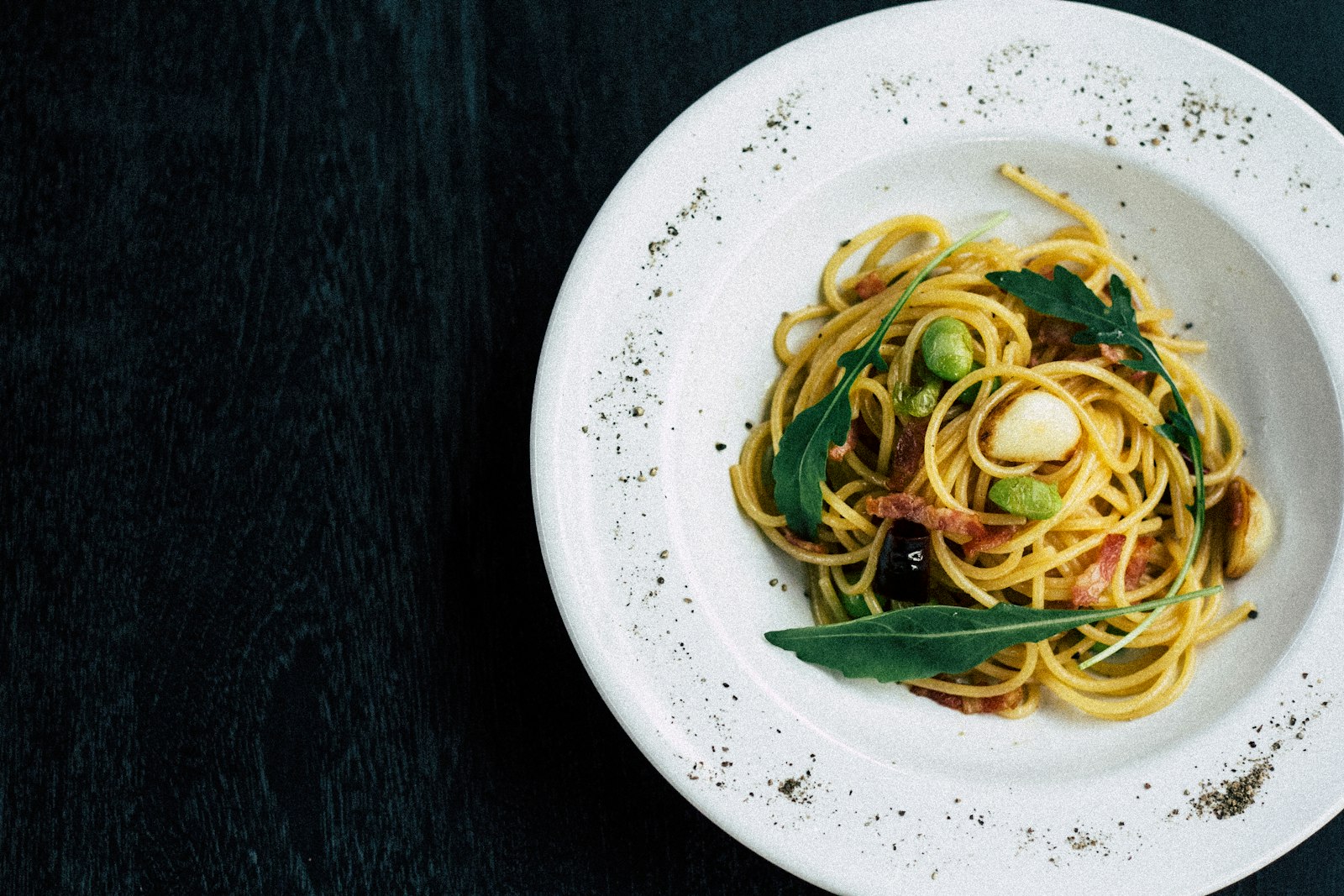
The Flavors That Bring Us Together: Mumbai's Street-Food Story
The first time a vada pav crumbles in your hands at a Dadar station stall — mustard-spiked potato spilling onto your fingers, the dry red chutney catching the back of your throat — you understand something wordless about this city. It is se
SocialPulse Editorial · Sep 8, 2026
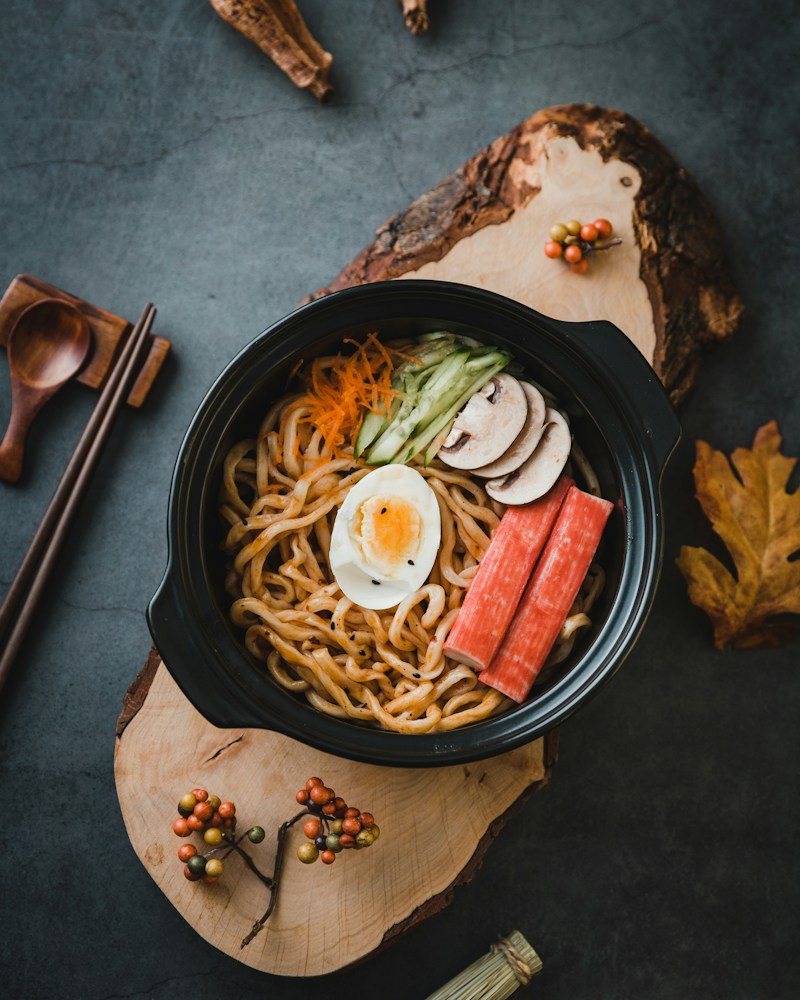
Portland late-night ramen scene keeps expanding
Three new ramen counters opened in the Central Eastside last month, all serving until 2am.
SocialPulse Editorial · Sep 5, 2026