Farmers: Feeding the World, Sustaining Communities and Protecting the Future
Farmers are the first link in every food chain. A guide to FarmersPulse — farm profiles, crop knowledge, weather links, markets, storage, finance and the people who feed us.
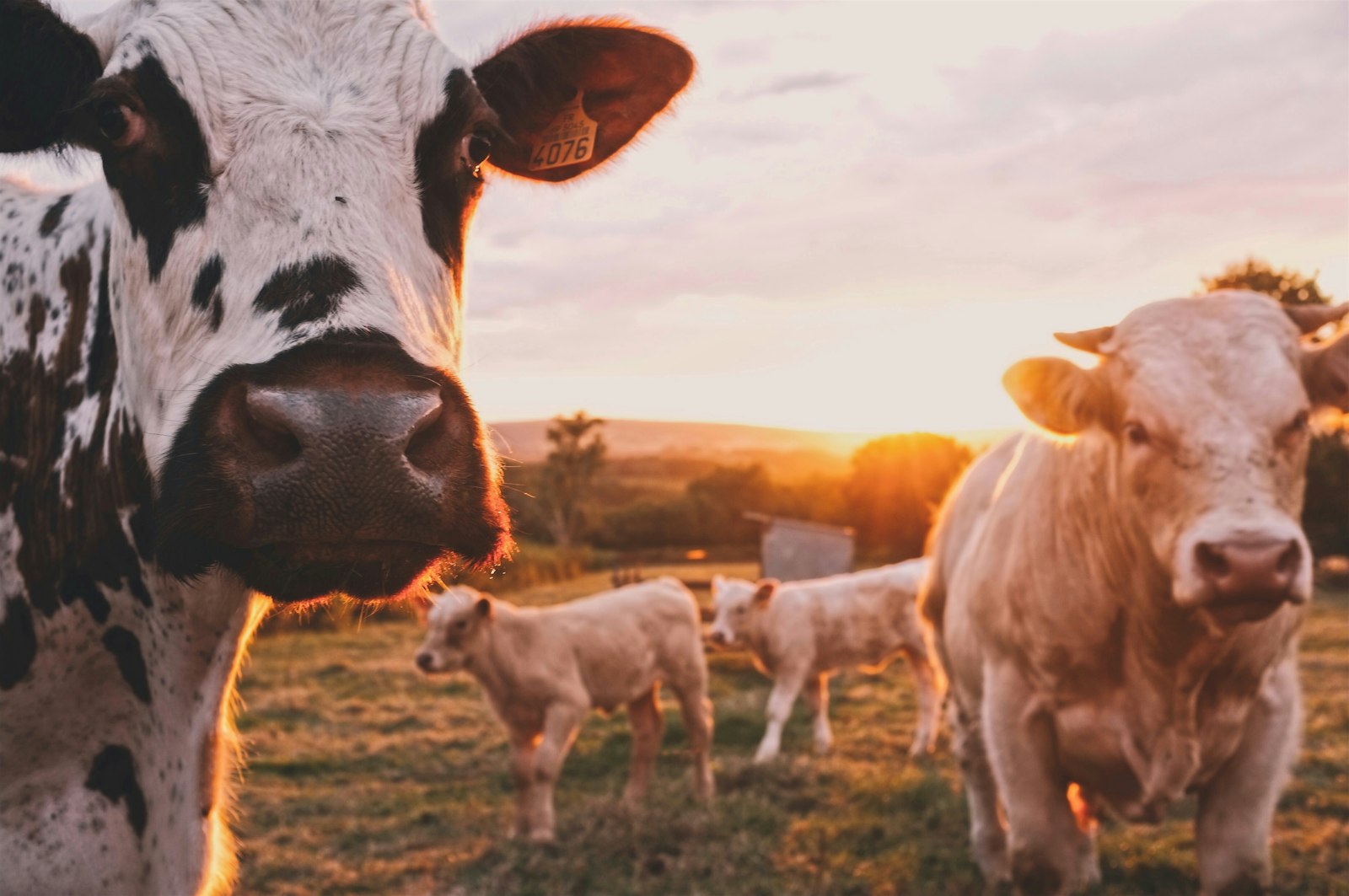
Every meal begins with someone who grows, raises, harvests or catches food.
Farmers are the first and most essential link in the global food chain. They transform soil, water, sunlight, knowledge and hard work into the food that sustains families and communities. They also care for much of the world's land, preserve agricultural traditions and support millions of rural jobs and local businesses.
Yet farmers face extraordinary challenges. Weather is increasingly unpredictable. Production costs rise while market prices fluctuate. Crops are lost to pests, disease and inadequate storage. Small producers may struggle to reach buyers, obtain financing or understand government programs. Valuable harvests can go to waste simply because farmers and consumers are not connected at the right time.
FarmersPulse is envisioned as a global, location-based agricultural network that helps farmers find knowledge, manage their operations, reach markets and connect with the people and services they need.
Working with FoodPulse, NaturePulse and the wider SocialPulse® network, FarmersPulse can help build a stronger, fairer and more sustainable food system.
Farmers Are the Beginning of the Food Chain
Before food reaches a grocery store, restaurant, school, food bank or household, it passes through a network of people and organizations.
- That network may include:
- Farmers and growers
- Livestock producers
- Fishers and aquaculture operators
- Farmworkers
- Seed and input suppliers
- Equipment providers
- Storage facilities
- Processors and packers
- Distributors
- Transportation companies
- Wholesalers
- Retailers
- Restaurants
- Food charities
- Consumers
Farmers are the first node in this interconnected system. When they succeed, food becomes more available, communities become more resilient and local economies grow. When farms struggle, the effects are felt throughout the supply chain.
FarmersPulse.com can make these connections visible and help each participant communicate more effectively.
Build a Global Directory of Farms and Producers
Many consumers want to support local farms but do not know what is produced nearby or how to contact the producer.
- A verified FarmersPulse profile could help each farm present:
- Farm or producer name
- Location and service area
- Contact information
- Farm history
- Crops, livestock or products
- Seasonal availability
- Growing and production practices
- Certifications
- Wholesale and retail options
- Farm-stand information
- Farmers-market schedule
- Delivery or pickup options
- Tours and educational activities
- Volunteer or employment opportunities
- Photographs and videos
- Website and social links
Profiles can be organized by geography—from country and state or province to county, district, city, town and village.
They can also be classified by production type, crop, product, growing method and market channel. This allows someone to search for a mango grower in Kerala, a berry farm in Oregon, a rice producer in California or a dairy operation in Wisconsin.
Farmers should be able to control which information is public. Exact field locations, private residences, sensitive infrastructure and personal contact details should not be displayed without permission.
Give Every Crop a Knowledge Page
FarmersPulse crop pages can become comprehensive, practical resources for growers, buyers, students and consumers.
- Each crop page may include:
- Common and scientific names
- Alternate and regional names
- Geographic origin
- Major producing regions
- Climate requirements
- Soil preferences
- Seed and variety information
- Planting seasons
- Irrigation needs
- Nutrient requirements
- Crop rotation
- Pollination
- Common pests and diseases
- Harvest indicators
- Harvesting methods
- Yield information
- Grading and quality standards
- Storage requirements
- Packaging and transportation
- Processing opportunities
- Market uses
- Global production
- Price and demand trends
- Production challenges
- Food-loss and waste concerns
- Sustainability considerations
- Research developments
- Authoritative reference sources
Agricultural recommendations vary by crop variety, soil, climate and jurisdiction. General crop information should not replace guidance from qualified agronomists, veterinarians, agricultural extension services or local authorities.
Pages should clearly identify sources, publication dates and geographic relevance.
Combine Traditional Knowledge With Modern Research
Farmers have developed agricultural knowledge over generations.
They understand local soil, rainfall, seed varieties, animal behavior and seasonal signs. Many traditional practices—such as mixed cropping, seed saving, composting, water harvesting and natural pest management—remain highly valuable.
- Modern agricultural science contributes additional tools:
- Improved plant varieties
- Soil testing
- Precision irrigation
- Weather monitoring
- Disease diagnostics
- Biological pest control
- Remote sensing
- Farm mapping
- Mechanization
- Protected cultivation
- Data-based decision support
The strongest farming systems often combine appropriate technology with the knowledge farmers have gained through direct experience.
FarmersPulse can preserve traditional practices while connecting them with current research. Contributors should acknowledge the farmers, families and communities from whom knowledge originates. Culturally sensitive or proprietary information should not be published without permission.
Help Farmers Manage Their Operations
Farm management involves far more than planting and harvesting.
- A practical FarmersPulse farm-management system could help producers organize:
- Fields, plots and growing areas
- Crops and varieties
- Planting and harvest dates
- Seed and input purchases
- Soil-test results
- Irrigation schedules
- Fertilizer applications
- Pest and disease observations
- Equipment and maintenance
- Labor schedules
- Livestock records
- Inventory
- Storage
- Orders and deliveries
- Expenses and income
- Receipts and documents
- Customer information
- Certifications and renewals
Small farms should not need expensive, complicated software to maintain useful records.
Mobile-friendly tools, local measurement units, multilingual interfaces and offline-friendly features can make agricultural technology more accessible to farmers in different regions.
Information entered by a farmer must remain protected. Private production, financial and customer records should never become public automatically.
Connect Weather With the Farm
Few occupations depend on weather as directly as farming.
- Rainfall, temperature, wind, humidity and frost can influence:
- Planting
- Irrigation
- Fertilizer application
- Pest development
- Disease risk
- Pollination
- Harvesting
- Drying
- Livestock care
- Transportation
- Worker safety
FarmersPulse can connect with the NaturePulse Weather Almanac to provide location-relevant forecasts, official warnings and historical weather records.
- Farmers may also contribute observations such as:
- Rainfall measured on the farm
- Frost damage
- Drought conditions
- Flooding
- Hail damage
- Heat stress
- Flowering and harvest timing
- Pest activity
- Water availability
- Storm effects
Community observations add valuable local context, but they should not be confused with official forecasts. Important decisions should consider recognized meteorological services and qualified agricultural guidance.
Prepare for a Changing Climate
Climate change is altering the conditions under which food is produced.
- Different regions may experience:
- Higher average temperatures
- More frequent extreme heat
- Changes in rainfall
- Longer droughts
- More intense flooding
- Shifting pest and disease ranges
- Coastal saltwater intrusion
- Reduced snowpack
- Wildfire and smoke
- Changes in planting and harvest seasons
Farmers are often among the first to experience these changes directly.
- FarmersPulse can help preserve local observations and share adaptation practices such as:
- Efficient irrigation
- Soil-moisture conservation
- Cover cropping
- Crop diversification
- Agroforestry
- Windbreaks
- Improved drainage
- Drought- or heat-tolerant varieties
- Integrated pest management
- Protected growing systems
- Renewable energy
- Emergency planning
No single practice is suitable for every farm. Climate adaptation must reflect local crops, resources, ecosystems and community needs.
Improve Soil Health
Healthy soil supports crops, stores water, cycles nutrients and sustains an enormous community of living organisms.
- Farmers can protect soil through practices appropriate to their location, including:
- Crop rotation
- Cover crops
- Compost and organic amendments
- Reduced soil disturbance
- Erosion control
- Managed grazing
- Mulching
- Contour planting
- Windbreaks
- Careful nutrient management
FarmersPulse can provide educational resources, soil-testing directories and locally relevant conservation information.
Soil recommendations should be based on appropriate testing and professional interpretation. Applying more fertilizer than a crop needs can waste money and harm soil and water.
Protect Pollinators and Biodiversity
Bees, butterflies, birds, bats and other animals contribute to pollination and healthy ecosystems.
- Farms can support biodiversity by maintaining:
- Flowering habitat
- Hedgerows
- Native vegetation
- Water sources
- Nesting areas
- Wildlife corridors
- Diverse crop rotations
- Responsible pesticide practices
NaturePulse observations can help farmers and communities document pollinators, beneficial insects, wildlife and plant diversity.
Sensitive species locations should be protected when publication could increase the risk of disturbance or collection.
Conservation does not mean removing land from productive use in every case. Thoughtful agricultural practices can support both food production and living ecosystems.
Help Farmers Reach Buyers Directly
Many small producers receive only a limited share of the final retail price.
- FarmersPulse and FoodPulse can provide additional ways to reach:
- Individual consumers
- Grocery stores
- Restaurants
- Schools
- Hospitals
- Food processors
- Hotels
- Caterers
- Community-supported agriculture members
- Farmers markets
- Food banks
- Wholesale buyers
- A farmer could publish:
- Products currently available
- Expected harvest dates
- Quantities
- Grades and sizes
- Wholesale and retail prices
- Minimum orders
- Pickup and delivery options
- Reservation deadlines
- Bulk discounts
- Processing suitability
Real-time availability helps buyers plan while giving farmers more opportunities to sell their harvest.
Prices, weights, grades and delivery terms should be stated clearly. Platforms should provide transparent policies for payments, cancellations, disputes and refunds.
Create Local Agricultural Marketplaces
Agriculture involves more than selling food.
- A location-based marketplace can help farmers find or offer:
- Seeds and planting materials
- Tools and equipment
- Equipment rental
- Irrigation supplies
- Packaging
- Feed
- Compost and amendments
- Storage space
- Refrigerated transportation
- Processing services
- Veterinary services
- Soil testing
- Farm labor
- Land rental
- Custom harvesting
- Repair services
Verification and moderation are essential. Sellers should describe products accurately, disclose relevant conditions and comply with applicable laws.
Restricted chemicals, regulated veterinary products and unsafe equipment should not be offered through uncontrolled listings.
Reduce Food Loss at the Farm
Large amounts of edible food may be lost because of cosmetic imperfections, oversupply, labor shortages, market changes or inadequate storage and transportation.
- FarmersPulse and FoodPulse can help producers list:
- Surplus harvest
- Imperfect produce
- Short-notice availability
- Processing-grade crops
- Animal-feed opportunities
- Donation quantities
- Gleaning opportunities
- Discounted bulk lots
A farmer with excess tomatoes could alert nearby restaurants, processors, food charities or consumers. An orchard with unharvested fruit might request volunteers. A grower whose produce does not meet cosmetic retail standards could still find buyers who value its quality.
Food-safety requirements must remain central. A product should never be distributed if contamination, spoilage or unsafe handling is suspected.
Reducing farm-level waste protects the farmer's investment while feeding more people and conserving the water, energy and land used to produce the crop.
Strengthen Storage and Transportation
A successful harvest can still be lost after it leaves the field.
- Farmers need access to:
- Appropriate containers
- Cleaning and grading facilities
- Cold storage
- Dry storage
- Temperature monitoring
- Packhouses
- Refrigerated vehicles
- Reliable local transportation
- Processing facilities
- Market information
FarmersPulse can map these services geographically and help producers identify nearby providers.
Shared storage, transportation and equipment may allow small farms to achieve efficiencies that would otherwise be available only to large businesses.
Handling instructions must reflect the needs of the particular crop or product. Temperature, ventilation, humidity and sanitation requirements vary considerably.
Make Finance and Insurance Easier to Understand
Farmers may need capital for land, seed, equipment, livestock, irrigation, storage and operating expenses.
- A FarmersPulse finance section, connected with FinancePulse, can help organize information about:
- Agricultural loans
- Equipment financing
- Grants
- Crop insurance
- Livestock insurance
- Disaster assistance
- Conservation incentives
- Cooperative programs
- Government support
- Community lending
- Recordkeeping and budgeting
Financial programs differ by country, region, farm size and production type. Eligibility rules, deadlines and terms can also change.
Farmers should confirm information with the official agency, lender, insurer or qualified professional before applying or making financial decisions.
The platform should clearly distinguish educational information from advertising and should never guarantee approval, returns or compensation.
Support Farmworkers
Agriculture depends on the labor of people who plant, tend, harvest, pack and transport food.
Farmworker well-being should be central to a responsible agricultural network.
- Important topics include:
- Fair compensation
- Safe equipment
- Heat protection
- Clean drinking water
- Sanitation
- Appropriate housing
- Transportation safety
- Training
- Protection from chemicals
- Emergency procedures
- Access to healthcare
- Respectful treatment
Workers should be able to find safety information and community resources in languages they understand.
Personal immigration, medical, employment and identification information requires strong privacy protections. Public reporting should not expose workers to retaliation or other harm.
Celebrate Farmers' Stories
Behind every farm is a story.
It may be the story of land cared for across generations, a family beginning again in a new country, a young person introducing new technology or a community preserving a traditional crop.
- FarmersPulse can feature:
- Family farm histories
- Farmer interviews
- Women in agriculture
- Young and beginning farmers
- Indigenous agricultural knowledge
- Immigrant and refugee farmers
- Agricultural innovators
- Farmworker experiences
- Cooperative success stories
- Recovery after disaster
- Traditional recipes connected to crops
- Community-supported farms
These stories help consumers understand the human effort behind their food.
Contributors should obtain permission before publishing personal stories or photographs and should represent farmers in their own voices rather than reducing them to stereotypes.
Connect Young People With Agriculture
The future of farming depends on a new generation of growers, scientists, entrepreneurs and skilled workers.
- FarmersPulse can help young people discover:
- Agricultural courses
- Farm internships
- Apprenticeships
- Scholarships
- School gardens
- Agricultural clubs
- Research programs
- Farm technology careers
- Food-business opportunities
- Mentors
- Land-access programs
Agriculture includes careers in biology, engineering, robotics, logistics, finance, veterinary medicine, climate science, food processing and marketing.
Showing this breadth can help young people see farming not as an occupation of the past, but as a field of innovation essential to the future.
Build Trust Through Verified Information
Farmers make decisions that affect their income, land, animals, workers and customers. Incorrect information can cause serious harm.
Agricultural content should:
Identify its author and sources.
State the location where advice applies.
Include the date of publication or review.
Distinguish experience from verified research.
Disclose commercial relationships.
Avoid guaranteed yield or profit claims.
Explain important limitations.
Link to official or authoritative guidance.
Provide a correction process.
Receive expert review when the risk is high.
Artificial intelligence can assist with translation, record organization, crop-page drafts and discovery of relevant information. It can also make mistakes.
AI-generated recommendations should not be treated as a substitute for soil tests, laboratory diagnoses, local extension guidance, veterinary care or professional agricultural advice.
Connect Farming With People and Place
A farming story belongs to more than one category.
- An article about an Oregon berry grower might appear on:
- The farm's profile
- Its city and county pages
- The Oregon portal
- FarmersPulse
- FoodPulse
- The relevant crop pages
- Nature and weather sections
- Local market listings
- Community news feeds
A report about a Kerala rice farmer could connect with the village, district, state, crop, weather, heritage and food pages.
This Place × Category structure allows agricultural knowledge to reach the people who need it without creating disconnected duplicates.
Through SocialPulse Publisher, one approved article can be distributed to relevant geographic and vertical pages, translated into more than 40 languages, reviewed independently and offered with a "Listen to this article" option.
This gives farmers and agricultural organizations a stronger voice while helping readers discover trustworthy local information.
From Farm to Community
Farmers do more than produce commodities. They feed people, sustain rural economies, care for land and carry agricultural knowledge from one generation to the next.
They deserve tools that recognize the complexity of their work.
FarmersPulse can bring together farm profiles, crop knowledge, weather, management tools, markets, finance, storage, transportation, food-rescue opportunities and community stories in one interconnected system.
FoodPulse can help move the harvest toward buyers, kitchens, charities and households. NaturePulse can document soil, water, biodiversity and environmental change. The Weather Almanac can connect forecasts and historical conditions with the farm. SocialPulse® can link all of this knowledge to the places and people it serves.
When farmers can access reliable information, manage their operations efficiently and reach fair markets, entire communities benefit.
FarmersPulse.com: Connecting farmers, knowledge, markets and communities—from the first seed to every table.