Family Trees: Preserving the People and Stories That Made Us
A meaningful family tree is more than names and dates. Learn how to record ancestors, migration, women's histories, photographs, recipes and everyday lives — one small contribution at a time.
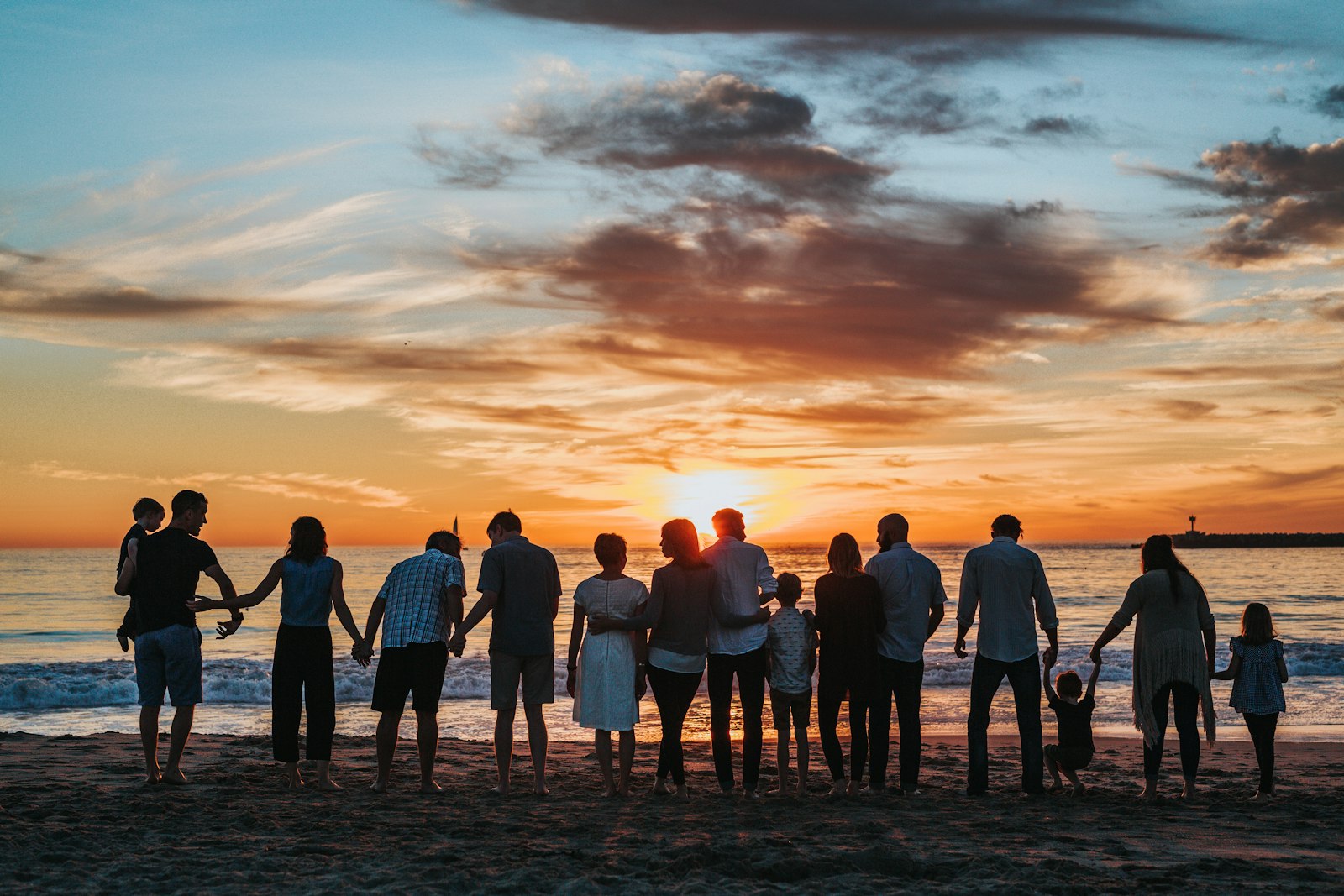
Every family begins long before its youngest members are born. It carries names, relationships, journeys, occupations, traditions, struggles and acts of courage from one generation to the next.
A family tree helps us understand those connections. Yet a meaningful family tree is more than a diagram containing names and dates. It is a living family archive — a place where photographs, memories, documents, recipes, voices and personal histories can be preserved together.
The Family Trees section of SocialPulse® Blog invites families everywhere to discover their roots, record what they know and protect their shared history for future generations.
Why Family History Matters
Many people become curious about their family history only after older relatives have passed away. By then, valuable information may already be lost.
We may remember a grandparent's face but not know where that person was born. We may recognize names in an old photograph without knowing how everyone was related. We may prepare a traditional family dish without knowing who first brought the recipe into the family.
- Family history gives context to our identity. It can explain:
- Where our family came from
- Why relatives migrated
- How family names developed
- Which languages and dialects were spoken
- What occupations sustained earlier generations
- Which traditions were maintained or changed
- How historical events affected the family
- How relatives are connected across different places
- Which qualities and values were passed down
Preserving this information creates a bridge between people who may never have had the opportunity to meet.
Start With What You Already Know
Building a family tree does not require having every answer. It can begin with one person, one photograph or one remembered story.
Start by recording information about yourself, your parents and your grandparents. Add details gradually as relatives contribute what they know.
- Useful information may include:
- Full name
- Birth name and alternate names
- Nickname
- Date and place of birth
- Parents
- Spouse or partner
- Children
- Siblings
- Education
- Occupation
- Places lived
- Languages spoken
- Important life events
- Date and place of death
- Burial, cremation or memorial information
When an exact date or spelling is uncertain, mark it as unconfirmed instead of presenting an assumption as fact.
Speak With Older Relatives
One conversation with an older family member can reveal information unavailable anywhere else.
Ask open-ended questions such as: What were your parents and grandparents like? Where did the family live when you were young? What kind of work did family members do? Why did anyone move to another city or country? Which celebrations were most important? What foods did the family prepare? What stories did your parents tell you? Who are the people in these photographs? Which relatives are no longer remembered by younger generations? What values would you like future generations to preserve?
With permission, record the conversation as audio or video. A person's voice, expressions and storytelling style can become as meaningful as the information itself.
Give Every Person a Story
Traditional family trees often focus on names, marriages and descendants. This may leave out the character and experiences that made each person unique.
- A personal family profile can include:
- Childhood memories
- Personality and values
- Education and career
- Talents and interests
- Military or public service
- Community involvement
- Religious or cultural traditions
- Migration experiences
- Challenges overcome
- Favorite sayings
- Recipes and household customs
- Photographs, letters and documents
- Memories contributed by relatives
Even a short paragraph can transform a name on a chart into a person future generations can understand.
Preserve the Women in the Family
Women's histories are frequently more difficult to trace because surnames may change after marriage and older records may identify women only through their fathers or husbands.
Record birth names whenever they are known. Include women's education, occupations, creative work, household leadership, caregiving, community service and influence within the family.
Ask relatives specifically about mothers, grandmothers, aunts and great-grandmothers. Their work and sacrifices may not appear in official documents, but they are essential parts of family history.
Document Migration and Changing Places
Families move for many reasons: employment, education, marriage, trade, conflict, political change, religious freedom, natural disasters or the hope of a better life.
- A family migration record can document:
- Ancestral village or hometown
- Cities and countries where relatives lived
- Approximate dates of relocation
- Reasons for moving
- Travel routes
- Ships, trains or other transportation
- Immigration and citizenship records
- Languages learned or lost
- Traditions carried to the new home
- Connections maintained with the place of origin
Linking family members with geographic locations makes the tree easier to understand and helps relatives discover branches living elsewhere.
Save Photographs With Their Stories
- An unidentified photograph may eventually lose much of its meaning. Whenever possible, record:
- Names of the people shown
- Their relationship to one another
- Location
- Approximate date
- Occasion
- Photographer or source
- Who owns the original
- The story behind the image
Avoid altering original photographs. Store enhanced or restored versions separately and identify them as edited copies.
Family albums can also include homes, schools, workplaces, farms, religious buildings, neighborhoods and objects important to family life.
Collect Documents Carefully
Documents can confirm relationships and provide details that memories alone cannot supply.
- Family records may include:
- Birth and baptism certificates
- Marriage records
- Death certificates
- School documents
- Passports
- Immigration papers
- Property records
- Military records
- Employment documents
- Letters and diaries
- Newspaper announcements
- Funeral or memorial notices
- Cemetery inscriptions
- Religious and community records
Some documents contain private information. Families should control who can view or download them, especially when records concern living people.
Preserve Recipes, Traditions and Everyday Life
Family history is also found in kitchens, gardens, workshops and celebrations.
A traditional recipe can reveal geography, migration, economic circumstances and cultural influence. A family song, prayer, festival practice or craft may carry memories across several generations.
- Consider recording:
- Family recipes
- Holiday and festival customs
- Wedding traditions
- Birth and naming practices
- Funeral and remembrance customs
- Songs, stories and sayings
- Clothing and jewelry
- Farming and gardening knowledge
- Traditional crafts
- Home remedies, clearly labeled as historical traditions
- Family reunions and annual gatherings
Ordinary routines often become extraordinary records when enough time has passed.
Work Together as a Family
No single person possesses the entire family history. One relative may know names, another may have photographs and someone else may remember stories.
- Invite relatives to participate by:
- Adding information
- Identifying photographs
- Correcting mistakes
- Recording memories
- Uploading documents
- Translating family records
- Managing a particular family branch
- Confirming relationships
- Inviting additional relatives
Maintain a visible revision history so important changes can be reviewed. Sensitive disagreements should be handled privately and respectfully.
Protect Privacy and Personal Wishes
A family tree contains personal information, so privacy must be central to its design.
Information about living people should not be published without appropriate permission. Birth dates, addresses, contact information, identification numbers, medical details and private family matters require special care.
- Families should be able to decide whether a profile is:
- Private
- Visible only to invited relatives
- Visible to approved family members
- Public with limited information
- Fully public as a historical or memorial profile
Children's information should receive the highest level of protection.
Verify Before You Publish
Family stories are sometimes incomplete, exaggerated or confused with stories about another person. Record oral traditions, but identify them as family recollections when supporting evidence is unavailable.
- Where possible, compare information with:
- Official records
- Religious registers
- Cemetery records
- Newspapers
- Family letters
- Photographs
- Multiple relatives
- Historical archives
When sources disagree, preserve the different accounts rather than choosing one without explanation.
Remember Those Who Came Before Us
A deceased relative's profile can become a lasting memorial containing photographs, life history and memories shared by family members.
It can celebrate not only public achievements but also the quiet contributions that sustained a family: raising children, caring for relatives, building a home, working the land, teaching values or helping neighbors.
Every life has significance within a family story.
Create a Gift for Future Generations
The most valuable family archive is not necessarily the largest. It is the one that helps future generations recognize the people who came before them and understand the lives they lived.
Begin with one name. Add one photograph. Record one conversation. Write down one recipe. Ask one older relative a question.
A family tree grows through small contributions. What you preserve today may become an irreplaceable gift to descendants many years from now.
Your family's story deserves to be remembered — and every generation can help keep it alive.