A City of Contrasts and Incredible People: A Week in Cape Town
The smell hits you before the colour does. Standing at the edge of the Bo-Kaap on a Tuesday morning, breathing in cardamom from a open kitchen window and fresh rain on cobblestone, I understood — in the way your body understands things befo
The smell hits you before the colour does. Standing at the edge of the Bo-Kaap on a Tuesday morning, breathing in cardamom from a open kitchen window and fresh rain on cobblestone, I understood — in the way your body understands things before your brain catches up — that Cape Town was going to ask something of me. Not just my attention. My honesty.
The Mountain That Watches Everything
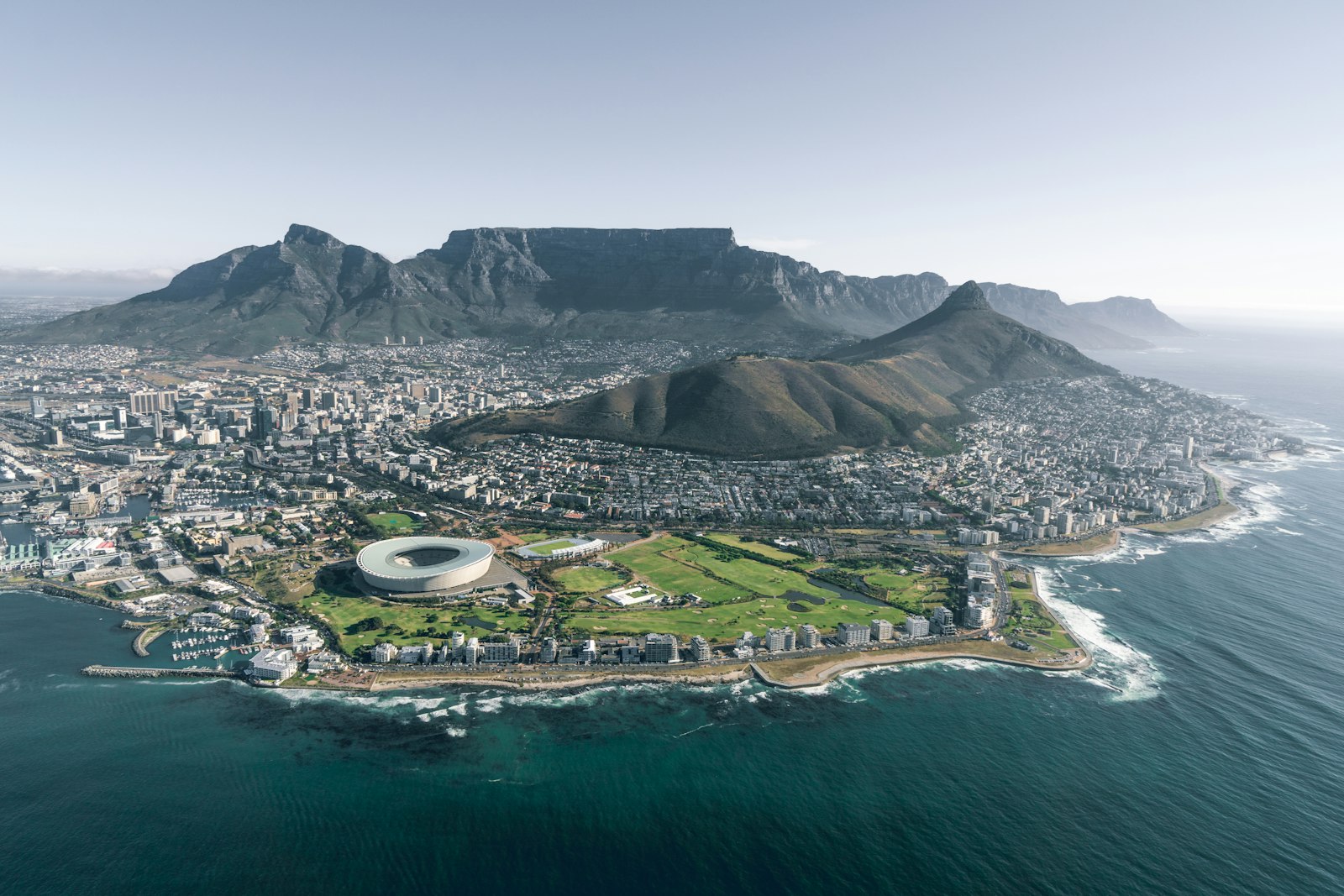
Table Mountain does not loom. That's the wrong word. It presides — flat-topped and ancient, visible from almost every neighbourhood in the city, which means it's visible from the wealthiest security-gated estates in Constantia and from the corrugated-iron rooftops of Khayelitsha simultaneously. I took the Aerial Cableway up on my second morning, rotating slowly in the cable car while the city arranged itself below me: the Atlantic Seaboard glittering to the west, the Cape Flats stretching inland in a haze of dust and density. A local woman standing beside me pointed toward the Flats without being asked. "My mother's house is somewhere in there," she said. "You can't see it from here." I thought about that sentence for the rest of the week.
Penguins, Prison, and the Weight of History
Boulders Beach in Simon's Town is genuinely absurd in the best way — a boardwalk full of African penguins waddling inches from your feet, completely unbothered, smelling powerfully of the sea. It is joyful and a little surreal, the kind of place that resets something in you.
Robben Island, a short ferry ride from the V&A Waterfront, does the opposite. The Island is guided almost exclusively by former political prisoners, and standing in a limestone quarry where people were forced to break rock under a sun that damaged their eyesight permanently is not an experience that summarises into bullet points. The guide on my tour — a quiet man with an unhurried way of speaking — paused in the quarry and let the silence do most of the work. That silence is part of the curriculum. Book through the official Robben Island Museum to ensure your ticket supports the institution directly.
Bo-Kaap and the Fight to Stay
The Bo-Kaap neighbourhood — its fuchsia, canary-yellow, and mint-green facades photographed millions of times — is a Cape Malay community with roots going back to the era of the Dutch East India Company and the enslaved and exiled people who were brought here from across the Indian Ocean world. Residents call themselves Kaapse Maleiers, and their culinary tradition — bredie stews, koesisters soaked in syrup, denningvleis fragrant with tamarind — is distinct from anything else in South African cooking.
What the Instagram grid doesn't show is that this community has been fighting gentrification pressures for years. A shopkeeper on Wale Street, whose family has lived in the same house for four generations, described it plainly: "The colour of the walls brings tourists. But tourists also bring the prices that push us out." Visiting responsibly means eating at family-run restaurants like Biesmiellah rather than chains, buying directly from local artisans, and listening when residents speak about their neighbourhood's future.
Langa: Township Tourism Done With Integrity
I spent a morning in Langa — Cape Town's oldest township, established in 1927 under apartheid spatial planning — with a tour organised through Coffeebeans Routes, an operator founded by a local entrepreneur specifically to route tourism income back to community members rather than outside companies. This distinction matters enormously.
"We are not a zoo," our guide told a small group of us at the start of the morning. "You are guests. Act like it."
We ate a meal cooked by a home chef who had turned her front room into a dining space — umngqusho, a hearty samp and bean dish, and roasted chicken that had clearly been seasoned with genuine pride. We talked with a young man who runs a barbershop out of a shipping container and is saving to open a second chair. Nobody performed poverty for us. Nobody performed contentment either. What we got was ordinary life, generously shared, on the community's terms.
The honest tension of visiting Cape Town is that your tourist rand is both needed and complicated — a city shaped by forced removals, land dispossession, and deliberate inequality doesn't resolve itself because you chose a responsible tour operator. But choosing that operator, eating in that kitchen, and actually listening — these things compound over time into something that matters.
How to Visit With Your Eyes Open
- Robben Island Museum — book directly at robben-island.org.za to support the institution
- Coffeebeans Routes — community-owned township and city tours
- Biesmiellah Restaurant — Bo-Kaap institution, family-run since 1973
- Use the Golden Arrow bus network or metered taxis recommended by your guesthouse; your driver will often be your best guide
- Ask before photographing people in residential areas — in Langa and everywhere else
Cape Town gave me more than a week's worth of thinking material, and I'm still unpacking it. If you've spent time in this city — whether you grew up there, visited once, or call it home — I'd genuinely love to hear what it asked of you. Drop a thought in the comments, or ask anything you're curious about before your own trip.
Discussion
ChatsPulse · 0 threads