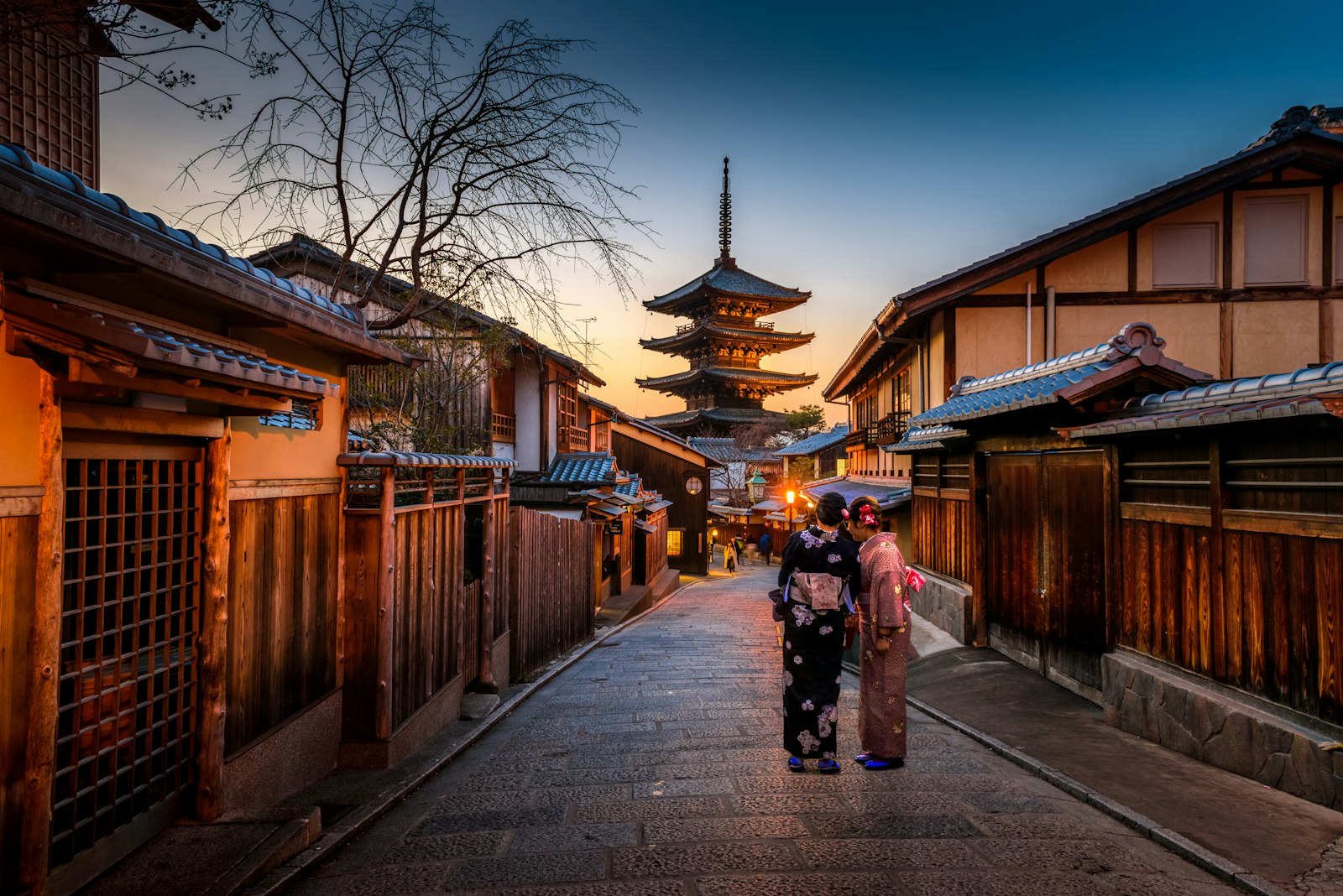
Arts and Culture: The Creative Life of Every Community
Art gives communities a voice; culture gives them memory. Discover local artists, traditional crafts, festivals, small venues, public art and the creative traditions worth preserving.

Art gives communities a voice. Culture gives them memory.
A song can preserve a language. A dance can carry history through movement. A mural can transform a forgotten wall into a public conversation. A play can help people see familiar problems differently. A handmade object can preserve skills passed through generations.
The Arts & Culture section of SocialPulse® Blog celebrates the artists, traditions, performances, institutions and creative spaces that give every place its distinctive character.
Culture Is All Around Us
Culture is not limited to major museums, famous performers or prestigious institutions. It can be found in music, dance, theatre, film, painting, sculpture, photography, literature, poetry, architecture, fashion, handicrafts, festivals, food traditions, languages and dialects, religious and spiritual expression, public art, storytelling, community celebrations and family customs.
Celebrate Local Artists
Many talented artists work without broad recognition. An artist profile can explore the person's background, influences, creative process, current projects and connection to the community. Profiles should go beyond promotion — they should help readers understand why the work matters.
Preserve Traditional Arts
Traditional arts often depend on knowledge passed directly from one person to another. Communities can help preserve folk music, classical music, traditional dance, weaving, embroidery, pottery, woodcarving, metalwork, basket making, puppetry, mask making, mural traditions, ritual arts, oral storytelling and indigenous artistic practices. Cultural knowledge should be recorded with permission — some traditions are sacred, private or restricted to particular communities.
Give Small Venues Greater Visibility
Local cultural pages can highlight independent theatres, community art centers, galleries, bookshops, libraries, music venues, dance schools, craft cooperatives, cultural associations, historic cinemas, open-microphone events, poetry gatherings, street performances and local festivals.
Document Festivals and Celebrations
A festival article might explain name and meaning, historical origin, date or season, community participation, religious or cultural significance, music and dance, clothing, decorations, food, processions, games, regional variations, changes over time and visitor guidance. The people who practice a tradition should be given space to explain its meaning in their own words.
Support Music, Dance, Theatre and Literature
Music can express identity, memory, protest, worship, celebration and grief. Dance preserves stories through movement, costume, music and rhythm. Theatre creates a shared experience between performers and audiences. Books, poems and oral stories allow people to understand lives beyond their own. Copyright must be respected — do not upload complete copyrighted recordings without authorization.
Public Art and Murals
A public-art record should identify artist, title, location, date created, materials, sponsoring organization, meaning, community involvement, accessibility and current condition. Photographs can help preserve works that may later be damaged, removed or painted over.
Film, Photography and Digital Culture
Creative life increasingly includes online and digital work. Digital creators should be recognized as artists while being held to the same standards of attribution, consent and responsible representation. AI-assisted artwork should be identified when that information is relevant to understanding the work.
Food as Culture
Food belongs within Arts & Culture because cooking preserves memory, creativity and community identity. Cultural food stories can connect naturally with FoodPulse while maintaining their geographic and cultural context.
Protect Cultural Heritage
Preservation efforts may include recording oral histories, digitizing photographs, restoring buildings, training younger artists, supporting cultural schools, documenting endangered languages, preserving instruments and tools and protecting sacred sites. Communities should lead decisions about how their heritage is documented and shared.
Make Culture Accessible
Cultural listings should identify ticket prices, free admission, wheelchair access, accessible seating, audio description, captioning, sign-language interpretation, language translation, sensory-friendly programming and online participation.
Review Art With Respect
A responsible review should identify what was experienced, provide relevant context, explain the reviewer's perspective, evaluate the work rather than insult the artist, avoid conflicts of interest, disclose sponsorships and correct factual errors. Strong criticism can coexist with respect.
Share the Creativity Around You
Introduce a local artist. Review a community play. Photograph a mural with permission. Record a traditional craft. Share the history of a neighborhood theatre. Interview a musician. Write about a festival or recommend a small bookshop. Art gives people new ways to understand the world. Culture reminds us that we belong to stories larger than ourselves.